Gold hit $4,187 a troy ounce on Friday, a single-session gain of 4.10 percent, and that number is worth pausing on. It is not a rounding error. Bullion at that level reflects genuine institutional demand for hard assets at a moment when equity markets are simultaneously rallying hard, which is an unusual combination and one that deserves scrutiny from anyone in Birmingham with a pension pot, an ISA or a savings account exposed to sterling-denominated funds. The FTSE 100 closed at 10,679, up 1.63 percent, while the S&P 500 rose 1.71 percent to 7,483 and the Nasdaq Composite climbed 1.87 percent to 25,833. On paper, it looks like a clean risk-on day. Dig into the sector moves and the picture is considerably messier.
The best performers across London's blue-chip index were concentrated in financials, industrials and, notably, precious metals miners. With spot gold advancing at its fastest single-day pace in months, producers with significant extraction operations saw their share prices respond accordingly. Basic materials as a broad sector outperformed. Technology also had a strong session on both sides of the Atlantic, with the Nasdaq's near-2 percent gain underpinned by continued momentum in semiconductor and artificial intelligence-linked stocks. Consumer discretionary held up reasonably well as sterling's rise to 1.3350 against the dollar, a move of 1.16 percent, implied some recovery in UK household purchasing power for imported goods.
Oil's Drop Punishes Energy, While Bitcoin Adds a Speculative Undertow
The worst-performing sector of the day was energy. West Texas Intermediate crude fell 2.78 percent to $68.78 a barrel, and that kind of move hits integrated oil majors and oilfield services companies hard. For the FTSE 100, which carries meaningful weight in energy through large integrated producers, the sector's losses acted as a partial drag on an index that would otherwise have finished even higher. The reasons behind crude's slide are a matter of debate among traders, but weaker demand signals from forward markets and rising output expectations from OPEC-adjacent producers have been circulating as explanations. Whatever the cause, the spread between a surging gold price and a falling oil price in the same session is the kind of divergence that tends to reflect genuine anxiety underneath the surface optimism.
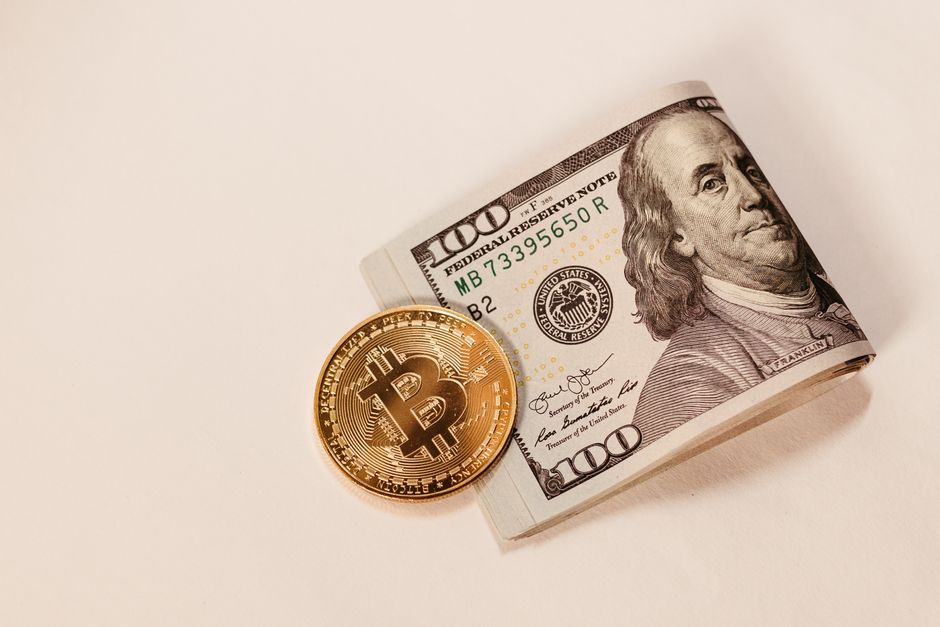
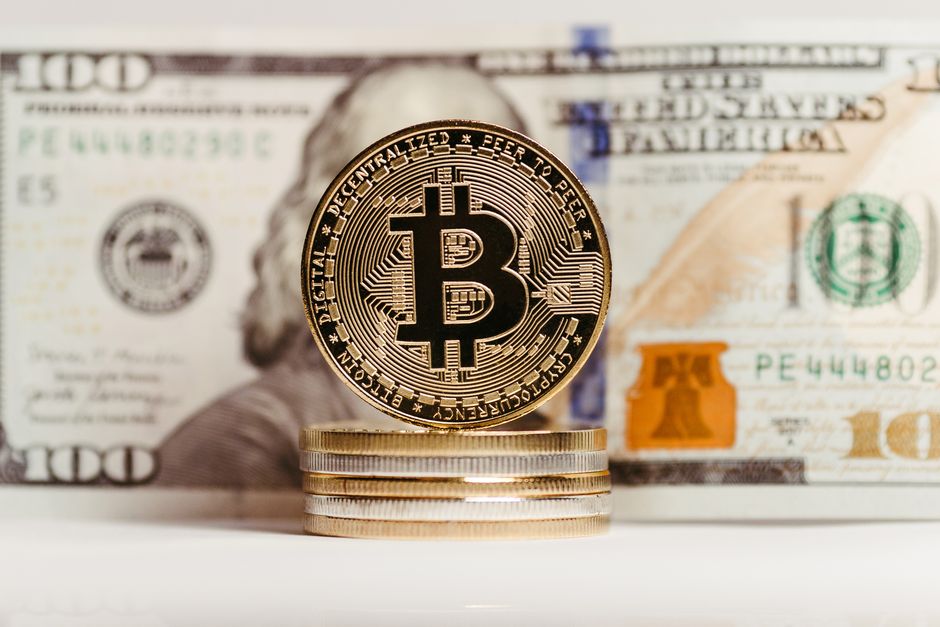
Bitcoin's 6.66 percent gain to $62,456 added a speculative layer to the day's narrative. The cryptocurrency does not belong in most pension portfolios, but it does function as a sentiment indicator, and a move of that magnitude on a day when gold is also surging suggests investors are reaching simultaneously for safe havens and high-risk bets. That is not contradiction so much as hedging in two directions at once, and it points to unresolved uncertainty about the macro backdrop rather than clean confidence in the rally.
For Birmingham savers and investors, the sterling move matters as much as any individual index. At 1.3350 against the dollar, the pound is near its strongest level in some time, which cuts two ways. It reduces the sterling value of dollar-denominated assets held in global tracker funds, a consideration for anyone whose ISA or workplace pension runs a significant international equity allocation. At the same time, a stronger pound is modestly disinflationary, which has implications for Bank of England rate expectations and, by extension, mortgage and savings rates. Holders of fixed-rate mortgages coming up for renewal in the coming months will be watching BoE signals carefully; a firmer pound gives the committee slightly more flexibility.
The sectors to watch in the coming sessions are precisely those that diverged most sharply today. Energy names will be sensitive to any further moves in crude, and the gap between oil's weakness and gold's strength has historically not persisted for long without one of them correcting. Financials, which benefited from the broader risk appetite, could face headwinds if gilt yields respond to the currency move in ways that compress net interest margins. Andy Burnham's recent comments suggesting some room for movement on local tax policy add a domestic fiscal variable that Birmingham-based investors in UK small and mid-cap funds will need to factor into their thinking, particularly for any holdings exposed to regional infrastructure or property development.
The headline numbers on July 4, 2026 look bullish. The internals, with gold at $4,187, oil below $69, and bitcoin clearing $62,000 in the same afternoon, suggest the market is not quite as certain about the direction of travel as the index levels imply. Diversified Birmingham investors are in a reasonable position today. The question is whether the gold signal or the equity signal turns out to be the more honest one.