lifestyle
Birmingham’s Food Scene Flourishes Through the Stories and Faces Behind the Flavours
Local chefs, market traders, and food entrepreneurs share what makes Birmingham’s culinary landscape uniquely vibrant.
How we reported this
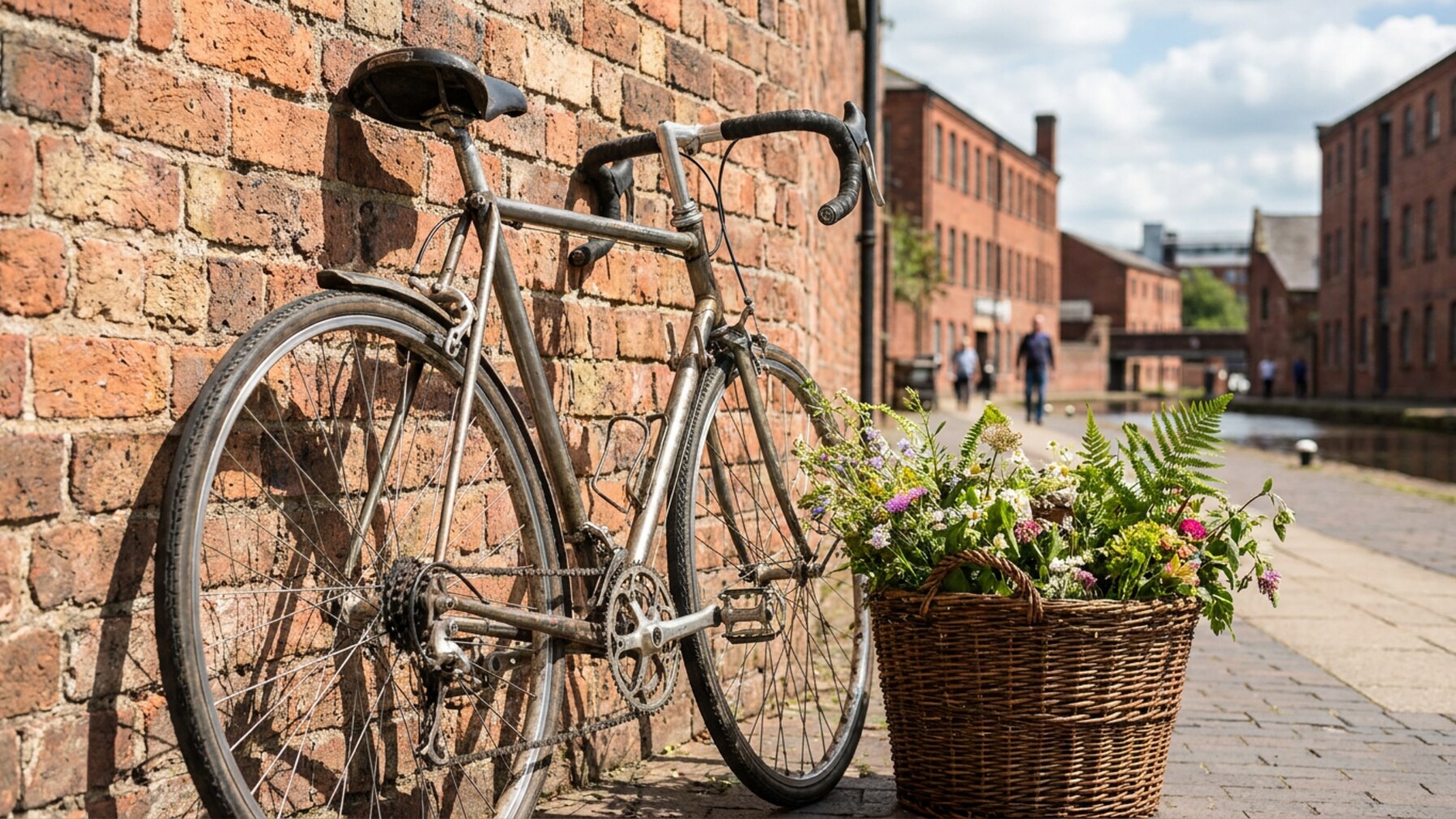
Birmingham’s culinary scene is not just about dishes and dining spots-it’s about the proud stories and passionate people who bring those flavours to life. From Moseley’s bustling market stalls to innovative kitchens in Digbeth, it’s the faces behind the food that continue to define the city’s growing food culture.
The Human Ingredients of Birmingham’s Food Renaissance
Interest in where food comes from, and who prepares it, has surged in Birmingham amid the city’s rapid regeneration and rising status as a foodie destination. This attention reflects a broader shift: diners increasingly seek authentic experiences tied to local culture and community rather than generic fare. As Birmingham prepares for the 2026 Commonwealth Games and welcomes thousands of visitors, its food entrepreneurs see a prime moment to showcase stories rooted in neighbourhoods like Kings Heath and Jewellery Quarter.
Take the Connection Café in Stirchley, a community hub which supports local producers. Owner Jodie Collins works directly with nearby urban farms such as Digbeth’s Urban Harvest Project, promoting sustainable and seasonal ingredients. Meanwhile, the revived Bullring Market on Moor Street continues to be a crucible for small traders such as Spice Bazaar, a family-run spice merchant supplying homemade blends inspired by South Asian heritage, celebrating Birmingham’s legacy as a multicultural food capital.
Numbers That Speak to a Flourishing Food Ecosystem
According to figures from Birmingham City Council’s Food and Drink Strategy published in May 2026, independent food businesses have increased by 12% citywide over the last two years. Additionally, over 40 new food entrepreneurs joined the Digbeth Dining Club, the city’s largest street food event, between 2024 and 2026, with average nightly sales reaching £2,500 during peak times. This growth has coincided with rising local demand for diverse culinary experiences, especially from younger residents aged 25-34, which comprise 28% of Birmingham’s population.
Market stalls at Smithfield Market have seen a 15% rise in foot traffic since the launch of the “Meet the Maker” initiative in early 2026, a scheme encouraging vendors to share their personal stories with customers. Stallholder fees average £40 per day, making it accessible for small-scale producers to enter and test new products. Such initiatives fuel the sense of a tightly-knit community centred on food, where buyer and seller form genuine connections.
As the Birmingham Food Hall on Sheepcote Street prepares to expand its range of locally sourced goods by September 2026, the city’s food scene shows no sign of slowing. Residents can look forward to tasting menus, food trails, and pop-up events that continue to highlight the passionate individuals shaping Birmingham’s culinary future. For those eager to dive in, local websites like Birmingham Food Map and upcoming Birmingham Food Festival in October offer accessible guides to explore these stories-and plates-throughout the city.