lifestyle
Birmingham Residents Cut Carbon Footprint With Local Recycling and Energy Tips
From local recycling drop-off points to home energy efficiency strategies, here is how residents can lower their environmental impact.
How we reported this
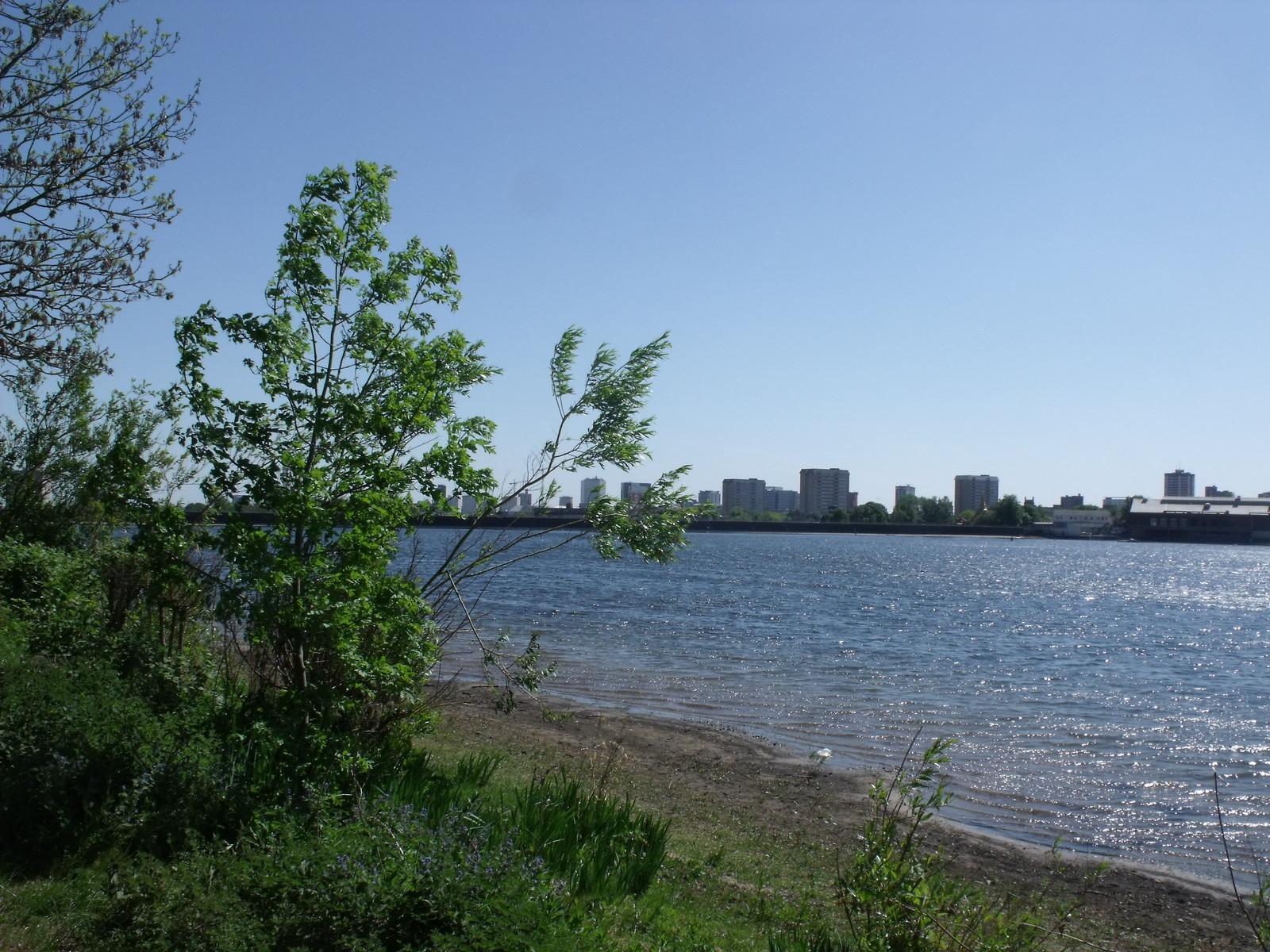
Living sustainably in Birmingham requires a combination of community engagement and small, consistent changes to household routines. As the city continues to focus on improving its environmental footprint, residents have access to several local resources and programs designed to make greener living more attainable. By utilizing established drop-off points and adopting energy-saving habits, households can actively contribute to reducing waste and lowering their carbon output.
Recycling Resources Across the City
Proper waste management remains a priority for the community. While current data indicates that Birmingham’s recycling rate sits at 30.1%, there is significant potential for residents to boost these figures through more consistent participation in local recycling initiatives. To assist with this, the city provides designated drop-off locations where residents can dispose of recyclable materials. These include the Birmingham Recycling-Recovery facility located at 9 41st St, the site at Rather Recycling situated at 323 Finley Blvd, and the UAB Recycling Center at 620 11th St South.
Improving Home Energy Efficiency
Beyond waste reduction, the Birmingham Energy Savers program serves as a central resource for residents looking to improve the energy efficiency of their homes. Engaging with this program can lead to a direct reduction in both monthly energy bills and overall carbon footprints. For those looking to implement immediate changes, simple habit adjustments can yield financial savings. For instance, showering for under four minutes can save households up to £100 annually. Additionally, washing clothes at 30°C once a week can contribute to further annual savings of up to £35.
Practical Strategies for Every Household
Further improvements can be found by addressing home heating and insulation. Fitting draught-proofing strips is a recognized method to improve efficiency, with the potential to save households up to £125 per year. Temperature control is equally vital; keeping thermostats set between 18°C and 21°C is recommended, as each degree adjusted can save residents approximately £145 per year. Combining these measures with the use of LED bulbs provides a straightforward path for residents to manage their home environment more effectively. By focusing on these verified, practical steps, the Birmingham community can continue to work toward improved environmental outcomes.
Produced with AI assistance and reviewed against our editorial standards. Sources are linked where available. Spotted an error or need a correction? Contact corrections@dailynetwork.news.