news
Birmingham Residents Fight to Restore Family Photos Stripped During Estate Regeneration
Tenants across three Birmingham housing estates say irreplaceable community photographs have been stripped from communal spaces during regeneration works, leaving corridors bare and histories erased.
How we reported this
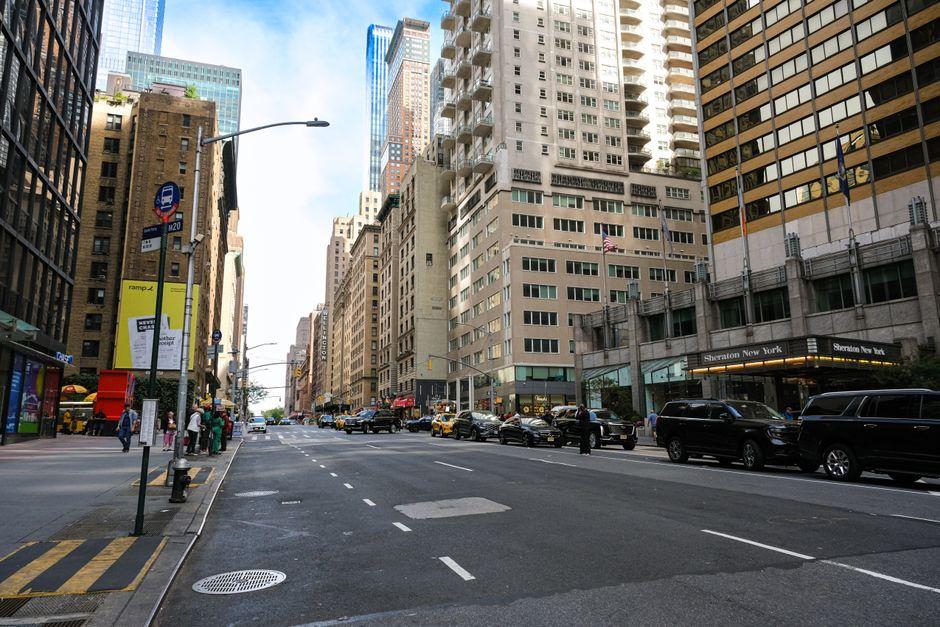
Residents on at least three Birmingham council estates say photographic displays documenting decades of community life have been removed without consultation during ongoing regeneration works, and in several cases replaced with generic stock imagery that bears no relation to the neighbourhoods they depict.
The removals, reported across Newtown, Nechells, and sections of the Jewellery Quarter fringe near Hockley, have prompted a wave of complaints to Birmingham City Council's housing directorate over the past four months. At stake, say those affected, is not just décor. Many of the images, printed, laminated, and mounted in communal hallways and stairwells, were commissioned as part of community arts initiatives stretching back to the early 2000s, some funded through programmes run by Birmingham Voluntary Service Council.
One resident of a block on Rupert Street, Nechells, described returning home after a hospital stay in March to find a display she had contributed to had been taken down. She told neighbours the wall now carries a framed print of a city skyline that does not show Birmingham. Several residents on the same block confirmed the account in conversations this week, though none wished to be named for fear of affecting their tenancy reviews.
A Pattern Across Neighbourhoods
The issue is not isolated to one estate. On the Newtown regeneration corridor, which has been subject to phased improvement works under Birmingham City Council's housing investment programme since 2023, residents of two blocks on Hunters Road have raised similar concerns with their ward councillors. A community notice board posted in the block's entrance in late April listed the missing photographs as an agenda item for a residents' association meeting scheduled for 12 May.
Aston-based community organisation Compass Support, which has worked with estate residents on wellbeing projects since 2017, confirmed it has received calls from tenants asking whether removed artwork can be recovered or replicated. The organisation has not confirmed whether original prints were preserved by contractors.
The concern carries particular weight in estates where the original photography projects were themselves designed to counter displacement anxiety, a recognised issue in communities that have absorbed multiple rounds of regeneration since the 1990s. Birmingham's housing stock is among the most heavily regenerated in England outside London, with the city having demolished or substantially rebuilt more than 8,000 council units since 2001, according to figures published by the West Midlands Combined Authority in its 2024 housing review.
What Residents Want Done
Community advocates say the practical ask is straightforward. Residents want contractors to be required to document and store any community artwork before works begin, and to consult residents before permanent removal. Some are pushing for a specific line in Birmingham City Council's upcoming estate improvement specification, expected to be published for consultation in autumn 2026, that would make photographic heritage a protected category alongside listed architectural features.
The Jewellery Quarter Conservation Area, which abuts several of the affected blocks near Hockley, already carries statutory protections for physical heritage under Birmingham City Council's Local Plan policies. Residents in that area argue the principle should extend to community-created cultural material inside housing blocks, even where those buildings carry no listed status.
Birmingham City Council has a complaints resolution target of 20 working days for housing-related grievances under its published tenant charter. Residents who have lodged formal complaints say responses have so far acknowledged receipt but provided no timeline for investigating the removals or assessing whether images can be recovered from contractors.
For residents who want to act now, advocates suggest submitting a Subject Access Request to the council's housing directorate to establish whether records exist of removed items, and contacting ward councillors directly to raise the issue ahead of the autumn specification consultation. The next scheduled public meeting of Birmingham's Housing and Neighbourhoods Overview and Scrutiny Committee is listed for September 2026, and community groups say they intend to seek a slot on the agenda.