news
Birmingham's Response to Crisis and Urban Challenges: A Comparison to Global Cities
Amid global turmoil and local pressures, Birmingham's approach to public safety and urban resilience stands out alongside other cities facing emergency and development hurdles.
How we reported this
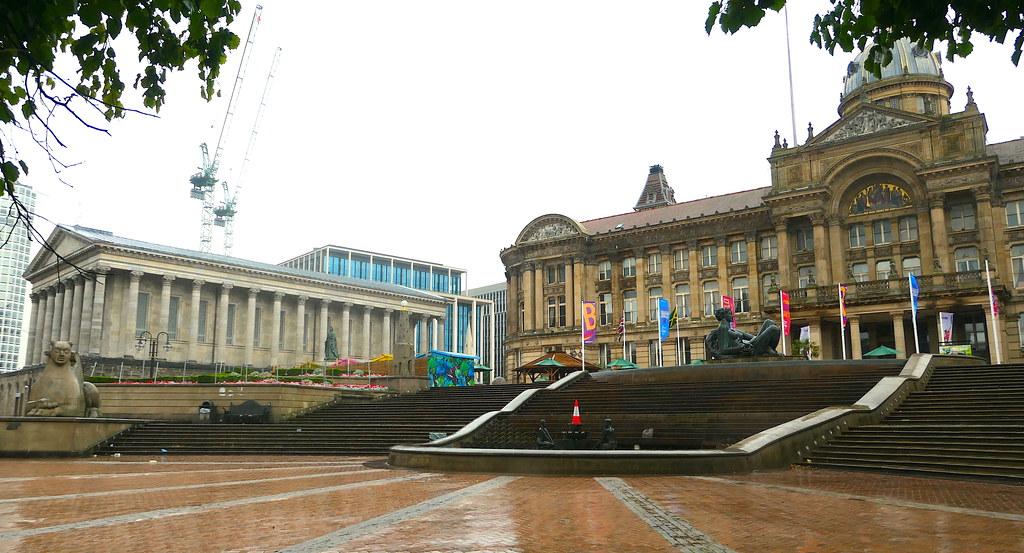
Birmingham is navigating a complex landscape of public safety concerns and urban pressures at a time when related crises have gripped cities worldwide. From international wildfires imposing exceptional demands on emergency services around Paris, to deadly incidents in densely populated venues such as the recent Bangkok bar fire, cities are tested on multiple fronts. In comparison, Birmingham's ongoing efforts to manage emergency preparedness and community safety offer a window into how it copes with challenges common to many metropolitan centres.
Why This Matters Now
The global context is marked by high-profile emergencies and geopolitical tensions that underscore the importance of urban resilience. Notably, the continuing conflict escalation between the U.S. and Iran disrupts international stability, while wildfires in southern Europe devastate communities and force large-scale evacuations. Even though Birmingham is distant from these crises, the echo of such events raises questions about how well the city adapts to shocks-whether natural disasters, public safety threats, or socio-political instability. This moment highlights the urgency of reviewing local frameworks for emergency planning and urban governance.
Birmingham’s Local Response and Urban Framework
Within Birmingham, emergency management structures and urban governance prioritize a coordinated approach to unforeseen dangers. While the city has not faced recent catastrophic events on the scale of wildfires or violent conflicts, its public safety agencies maintain readiness for incidents ranging from fires to critical injuries in crowded venues. Dedicated local organisations and neighbourhood networks in diverse communities work alongside the Birmingham City Council to enhance resilience through targeted safety programs and public awareness campaigns.
Urban development strategies also reflect lessons learned globally, emphasizing infrastructure improvements that reduce risk and support rapid response. Although the city does not publish detailed crisis response metrics in the provided sources, qualitative evidence suggests Birmingham continues to strengthen its emergency protocols, community engagement, and cross-sector collaboration, positioning itself alongside other cities that prepare proactively for both natural and man-made hazards.
On a broader level, the city's social and political leadership actively monitors overseas and domestic developments that may indirectly impact Birmingham residents. Engagement with international news and strategic forums informs local decision-making, aiming to anticipate future challenges ranging from population pressures to public health emergencies.
Looking Ahead: Practical Steps for Residents
Residents can support Birmingham’s resilience by staying informed about local safety advisories and participating in community emergency preparedness initiatives. The local authority encourages households to maintain emergency plans and supplies, as well as to engage with neighbourhood watch or volunteer programmes. While Birmingham has yet to face the scale of crises seen in other global cities recently, the city’s emphasis on readiness means individual vigilance remains vital.
Continued investment in emergency response training and urban development remains important to ensure the city is equipped to manage sudden events effectively. Broadly, Birmingham’s experience underscores that while global challenges constantly evolve, robust local frameworks and community participation are key to effective crisis management and urban sustainability.