news
Neighborhood Developments in Birmingham: What Residents Should Know About Community Impact
New housing and commercial projects are reshaping Birmingham’s districts, raising questions about effects on local life and city identity.
How we reported this
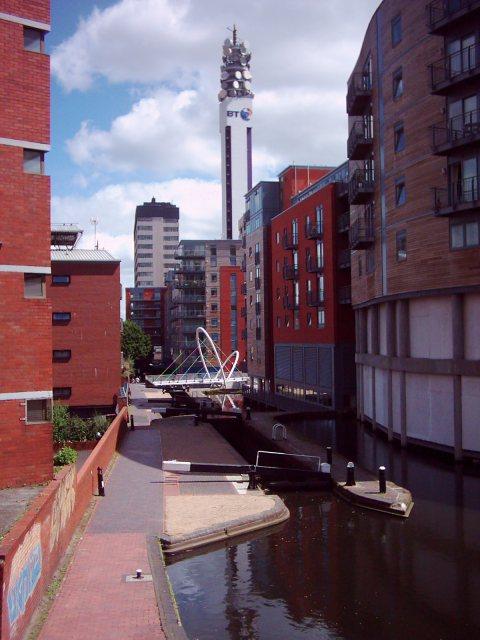
Birmingham is experiencing a wave of neighborhood developments that promise to transform parts of the city, touching everything from housing availability to local economies. While these changes are often presented as signs of progress, they hold deeper implications for residents' quality of life and community cohesion.
Why These Developments Matter Now
The expansions and renovative projects across Birmingham’s neighborhoods come at a time when urban areas face mounting challenges. Issues such as rising housing demand, shifting demographics, and an urgent need for sustainable urban infrastructure place these developments at the heart of current city planning debates. For local residents, the concern is less about construction itself and more about what these neighborhood changes mean for affordability, access to services, and the preservation of community spirit.
With city planners and developers focusing on increasing density and mixed-use spaces, residents must consider how these transformations will influence daily life, from traffic patterns to public amenities and green spaces.
Community-Level Details and Impact
Neighborhoods across Birmingham, including areas close to well-known shopping districts and transport hubs, are seeing new housing projects and commercial spaces proposed or underway. These developments often aim to invigorate local economies and provide more housing, but can also accelerate gentrification pressures. Residents who have lived in these communities for decades face uncertainty about rising rents and possible displacement.
Community organizations in Birmingham have been vocal about ensuring that development plans incorporate affordable housing targets and preserve cultural landmarks. Moreover, urban renewal programs emphasize sustainable construction practices to mitigate environmental effects and improve public spaces. Local schools, small businesses, and service providers watch closely, as changes to neighborhood demographics inevitably affect their operations and long-term viability.
Though no precise statistics on housing prices or population changes have been recently published in Birmingham’s official releases, qualitative feedback from residents highlights a mixture of optimism for renewal and anxiety about preserving community identity. The balance between revitalization and inclusivity remains a key point of discussion within civic forums and planning committees.
Looking ahead: What Residents Should Expect
Residents should anticipate continuing construction activity and evolving neighborhood dynamics in the coming months and years. Community engagement opportunities, such as public consultations hosted by the Birmingham City Council and local development trusts, provide platforms for residents to voice concerns and shape future plans.
Practical advice for those living near development sites includes staying informed through official channels, participating in neighborhood meetings, and collaborating with local organizations advocating for balanced growth. As Birmingham negotiates these changes, maintaining transparent dialogue between developers, city officials, and residents will be pivotal for fostering developments that benefit all community members.