news
Birmingham Officials and Experts Discuss Transport Solutions
Key figures offer insights into managing the city's traffic issues.
How we reported this
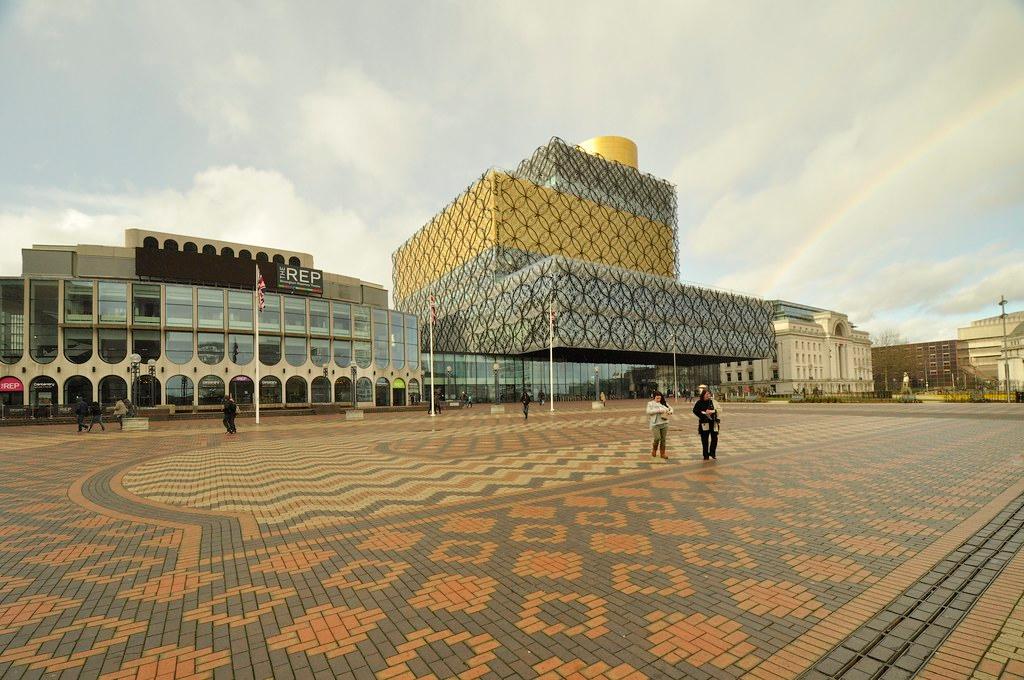
Officials and transport experts in Birmingham continue to share their assessments of local traffic patterns. They focus on daily commutes and peak-hour pressures across the urban network.
These conversations carry weight at present. Birmingham faces steady growth in vehicle use that affects residents moving between work, shops and services each weekday.
City planners point to the need for better coordination among bus operators, road maintenance teams and cycling groups. They note that small adjustments in signal timing and route planning can ease bottlenecks without major construction.
Perspectives from City Leaders
Transport department staff describe the value of regular reviews that draw on driver feedback and traffic counts. They stress the importance of listening to both commercial drivers and everyday commuters when setting priorities for road improvements.
Academic researchers at local universities add data on how weather and events influence flow. Their input helps officials anticipate spikes in demand near major venues and employment zones.
Business representatives highlight the cost of delays for deliveries and staff travel. They call for clearer advance notice of any lane closures or diversions so companies can plan routes in advance.
Next Steps for Residents
Authorities encourage drivers to consult real-time apps and council notices before setting out. This habit helps spread traffic across alternative paths during busy periods.
Further public meetings are expected in coming months. Participants will review progress on current schemes and gather additional comments from those who use the roads daily.
Qualitative assessments suggest that sustained dialogue between these groups can identify practical tweaks. Such steps may reduce frustration without requiring large new budgets.