news
Mapping Birmingham’s Urban Growth: How New Developments Are Shaping Local Neighborhoods
From the redevelopment of the former Carraway Hospital site to the expansion of logistics hubs in the Western Corridor, large-scale projects are reshaping Birmingham’s residential landscape.
How we reported this
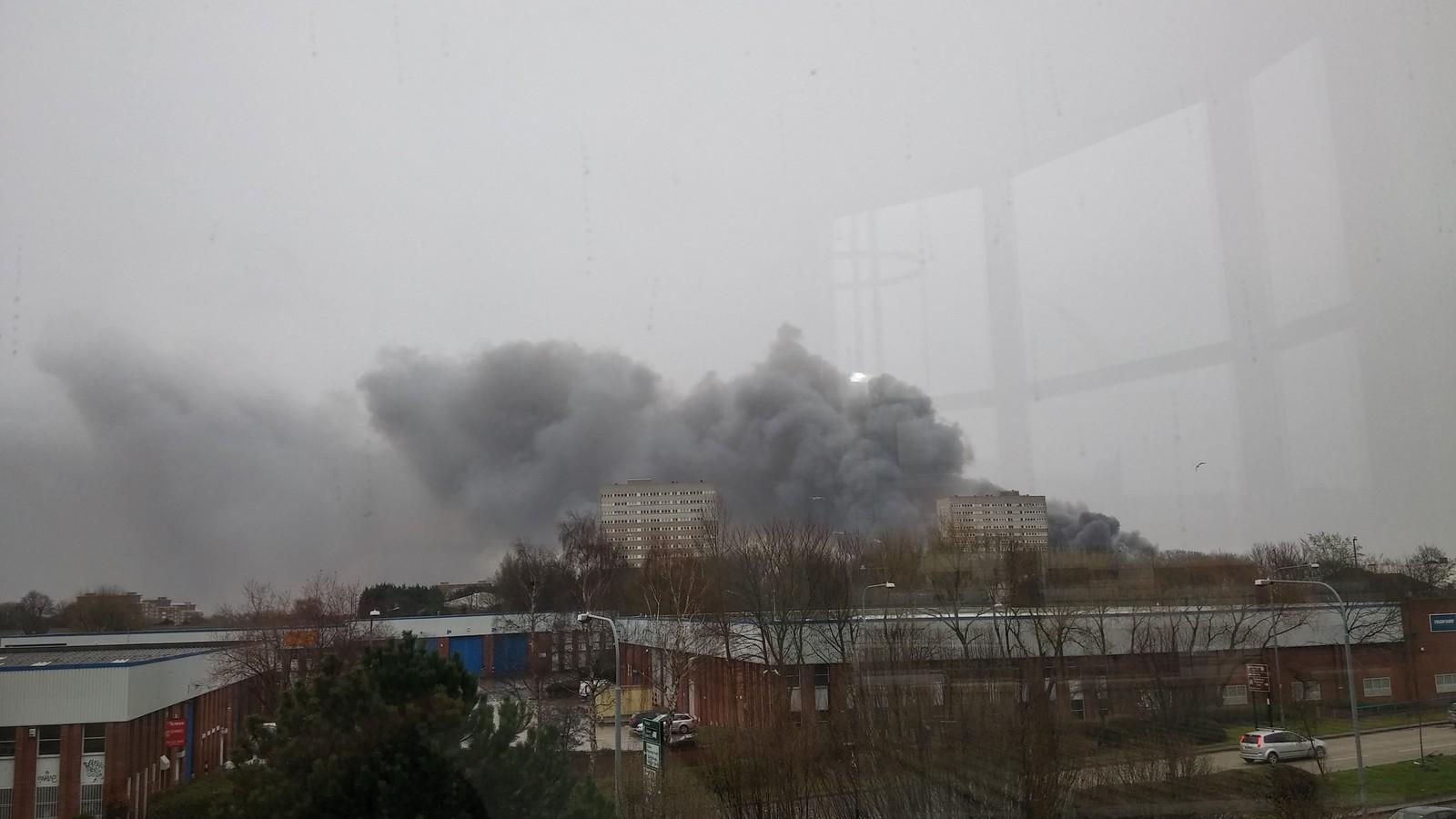
Birmingham is undergoing a significant phase of urban transformation, with several high-profile developments moving from planning stages to active construction. These projects, ranging from mixed-use residential hubs to industrial expansion, are designed to influence the city's housing availability and local economic activity for the coming years.
The Star Uptown Development
One of the most prominent projects currently underway is The Star Uptown. This $340 million initiative replaces the former Carraway Hospital on a 52-acre site. Construction on the first phase, which includes 64 new cottages and townhomes, began in the spring of 2026. Residents are expected to move into these new units by early 2027. This development represents a shift toward mixed-use neighborhoods, aiming to integrate housing with retail and service infrastructure near the city’s established landmarks like City Walk.
Workforce and Housing Initiatives
Beyond the Uptown site, the city is actively expanding its residential capacity through the Smithfield-College Hills-Graymont (SCG) Choice Neighborhoods Initiative. This program aims to develop 920 mixed-income apartments across seven phases between 2024 and 2030. A key component of this initiative is the creation of a Social Innovation Center, which includes a planned workforce library slated for construction in 2026. These efforts are part of a broader strategy to support workforce development while addressing housing needs in historic districts.
Logistics and Neighborhood Revitalization
Economic activity continues to drive housing demand in specific areas of the city. In February 2026, the state of Alabama awarded Birmingham a $2 billion grant to transform the Western Corridor-which includes the Ensley area-into a major logistics and manufacturing hub. This designation, often referred to in planning documents as Ensley Works, is expected to attract new residents to the vicinity. Meanwhile, the Woodlawn neighborhood is undergoing its own revitalization, with 16 new single-family homes introduced to the area, marketed from the low $200,000s.
Future Planning and Development
City officials are implementing frameworks to manage this growth. In April 2026, the Birmingham City Council approved the Eastern Area Framework Rezoning Plan. This plan is designed to guide development across 19 neighborhoods, including Airport Hills, East Lake, and Woodlawn. As these projects progress, residents can expect continued changes to the infrastructure in these sectors, with additional projects like the new Coca-Cola United headquarters and distribution facility in Brownsville, scheduled for completion in 2027, expected to further impact local housing and employment patterns.