Politics
Birmingham Adopts New Zoning Rules, Reshaping Housing and Development Opportunities
Upcoming zoning and development regulations in Birmingham set to influence who can build and live where, affecting housing availability and business spaces across neighborhoods.
How we reported this
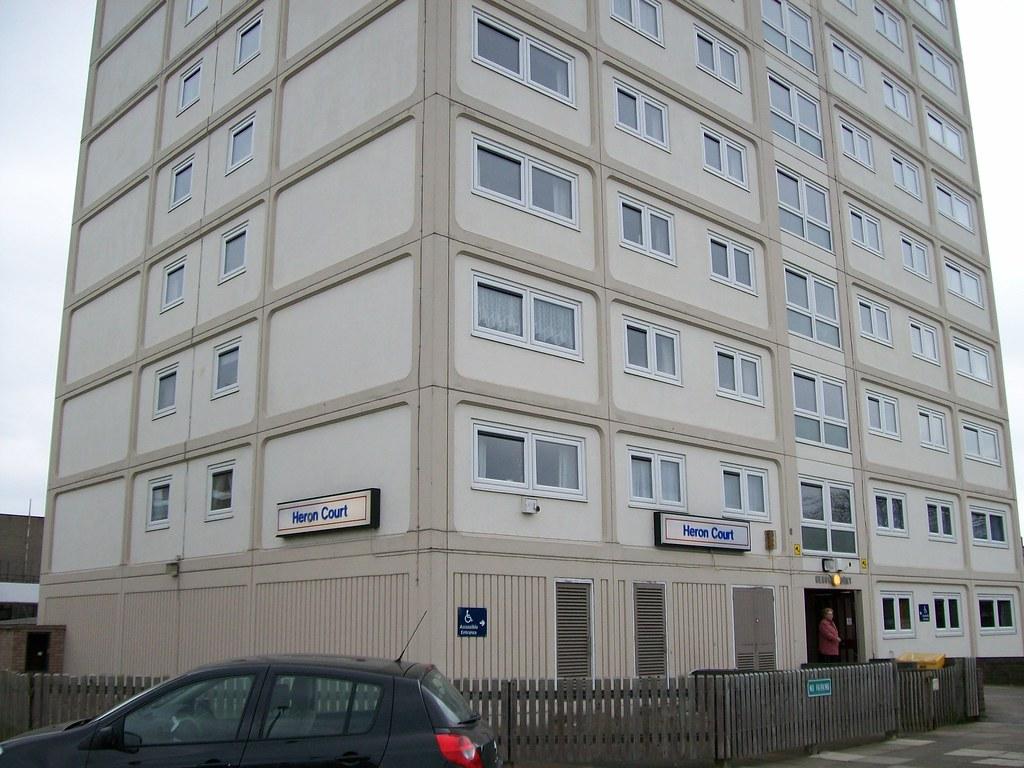
Birmingham City Council has approved a comprehensive revision of zoning and development regulations, effective from August 1, 2026. These changes will affect residential density limits, commercial property uses, and green space requirements, directly impacting property owners, prospective residents, and local businesses throughout the city. The new framework introduces differentiated residential zones, tightening controls in some areas while easing them in others.
This shift comes amid growing concerns about rising housing costs, infrastructure strain, and uneven economic development in Birmingham. The city's population has risen by approximately 5% over the past five years, according to the latest Office for National Statistics data, increasing demand for affordable housing and commercial opportunities. The Council states that the updated rules aim to balance growth with preserving community character and environmental standards.
How Residents and Businesses Will Feel the Impact
Under the new zoning rules, certain neighborhoods classified as "conservation areas" will face stricter limits on new developments. For example, the Jewellery Quarter and parts of Edgbaston will see caps on building heights and density to maintain heritage aesthetics, potentially reducing new housing supply in these areas. In contrast, districts like Digbeth and Aston have been designated for higher density development, permitting mid-rise apartment complexes, which local housing advocates say could expand affordable housing options.
Commercial property classifications have also been revised to encourage mixed-use development in the city centre and along key transport corridors. This means a former single-use retail space in Broad Street could be converted into a combination of offices and residential units, which the Council projects will create an estimated 800 new housing units and 500 new jobs over the next five years. However, small business owners in areas with construction restrictions express concerns about limits on expansions or changes to property use.
Data Supporting the Changes and What Residents Should Watch
The regulatory update references findings from a Birmingham City Planning report released in March 2026 that noted a 12% shortage in affordable housing stock relative to current demand. It also connects with the 2025 Housing and Economic Development Strategy, which forecast a need for 37,000 new homes in the city by 2031 to keep pace with demographic trends. The updated zoning plans are thus linked to the city's broader goal of delivering at least 4,000 affordable homes by 2030, as detailed in the strategy document.
Infrastructure considerations feature as well. The Council highlights that new developments in places like Nechells and Lozells are contingent on investments in local public transport upgrades, aligning with Transport for West Midlands plans scheduled for completion by 2029. Residents living near these planned developments should expect increased construction activities and posteriormente easing of transport connections, but also temporary disruptions.
Property owners and renters should check the Council's updated zoning maps online to understand what changes apply to their areas. Some existing building permissions granted before July 1, 2026, will be grandfathered, while new applications will be evaluated strictly under the new rules. The Council is also launching a public advisory hotline next month to guide residents and developers through the transition.
Looking ahead, Birmingham's Zoning and Development Committee plans to review the outcomes of these regulatory changes in 2028 through a public consultation process. This will assess impacts on housing affordability, business growth, and community amenities, helping to inform any future amendments. Until then, residents can expect a period of transition as the city adjusts to the new zoning landscape and its implications for daily life.