Politics
Birmingham Tightens Housing Rules: New Planning Requirements for Conversions
Birmingham residents face planning requirements under the 2017 Development Plan and the Article 4 Direction introduced in June 2020 when converting homes or proposing new residential developments.
How we reported this
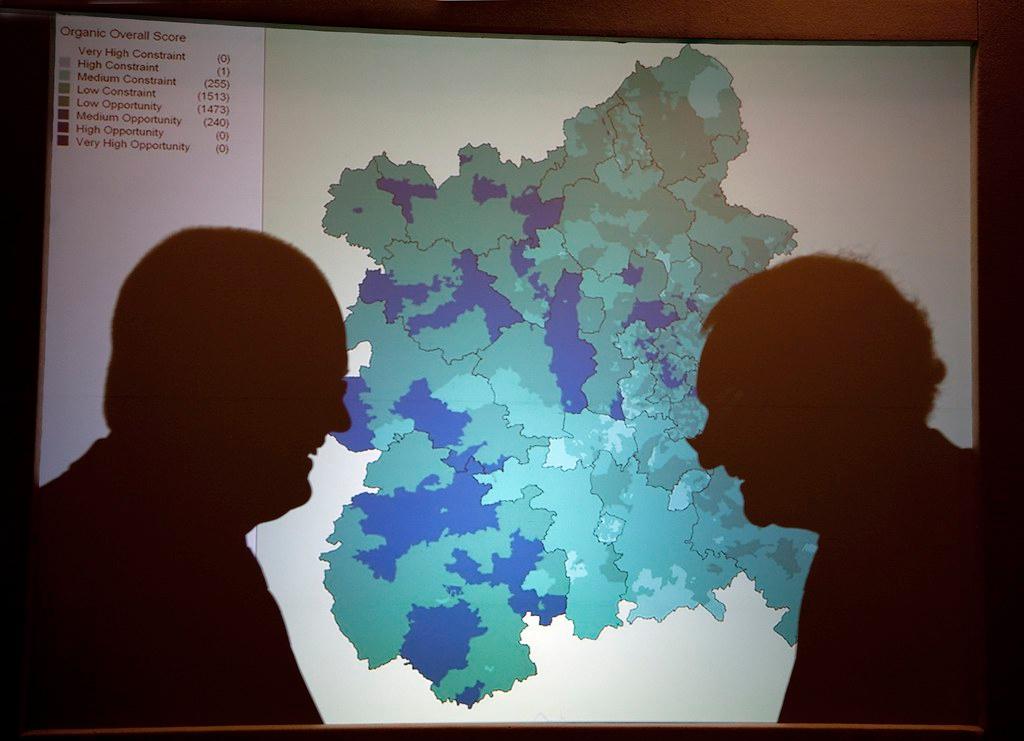
The Birmingham Development Plan adopted in 2017 targets over 51,100 new homes along with employment, retail and office development by 2031. Since June 2020 a city-wide Article 4 Direction has required planning permission for conversions of family homes from C3 to small HMOs in C4 use. These measures directly shape decisions for residents who want to alter existing properties or support new housing projects.
New housing density and affordable requirements
New housing near Birmingham city centre must meet minimum densities of 400 dwellings per hectare. Developments near urban centres require 70 dwellings per hectare while sites elsewhere must reach 40 dwellings per hectare. Residential developments of 15 or more dwellings require 35 per cent affordable homes and must seek at least 30 per cent accessible and adaptable homes unless a scheme is shown to be financially unviable. Residents considering or living near larger projects therefore encounter these thresholds during planning applications.
These standards influence the type and location of homes that can be built. People seeking homes close to the city centre encounter higher density expectations than those in outer areas. The affordable housing obligation applies once a proposal reaches 15 dwellings, which affects how schemes are designed before they reach the planning stage.
Restrictions on home alterations in conservation areas
Conservation areas significantly restrict permitted development. Rear extensions are limited to 3 metres, side extensions usually require permission and most roof alterations need consent. Residents in these areas must obtain planning approval for many changes that would otherwise fall under permitted development rights. The Article 4 Direction further means virtually all HMO conversions need consent rather than proceeding without an application.
Local residents planning extensions or conversions therefore check whether their property lies in a conservation area before starting work. Those outside such areas still face the Article 4 requirement for HMO changes. The Development Plan provides the broader framework for how new housing contributes to the overall target of over 51,100 homes by 2031.
Future applications will continue to be assessed against the density, affordable housing and accessibility rules set out in the plan together with the Article 4 Direction for HMO proposals. Residents can review individual schemes through the normal planning process as they come forward.
References Sourced but Not Limited to:
- birmingham.gov.uk · Development management in birmingham dpd
- formbasedcodes.org · Highland park neighborhood plan
- hollandlloyd.co.uk · How to apply for planning permission in birmingham
- assets.publishing.service.gov.uk · Birmingham planning context report
- jdowdroofing.co.uk · Planning permission vs permitted development birmingham 2025
- pdassessment.co.uk · Birmingham
- thegeneralarchitecturecompany.co.uk · Permitted development the end of birminghams free enquiry service