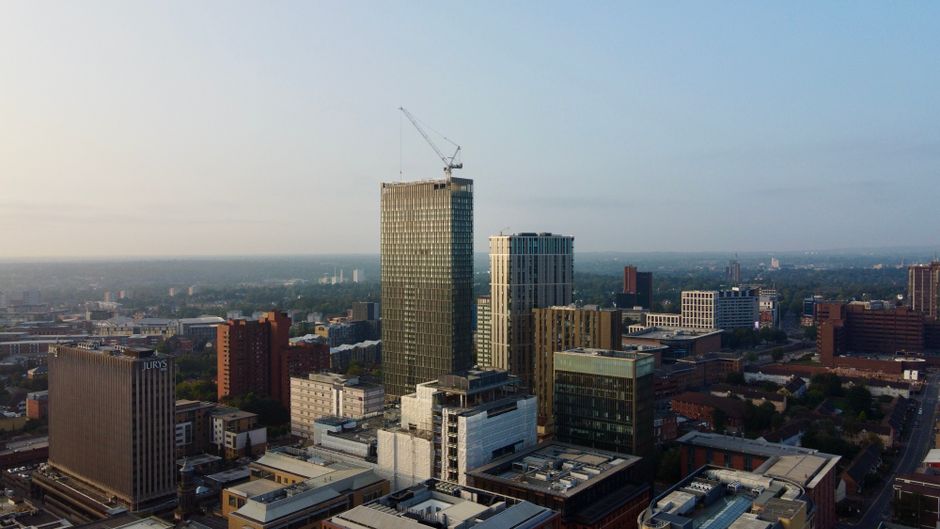
Average rents in Birmingham have climbed to £1,150 per month as of June 2026, widening the gulf between what renters pay and what first-time buyers face—but the city still offers more breathing space than London, where equivalent homes now command beyond £2,100. A new analysis from Midlands Property Hub highlights how Birmingham’s advantage over the capital is shrinking, particularly in sought-after neighbourhoods like Harborne and the Jewellery Quarter.
For thousands of Brummies, these figures matter now. Living costs have surged following national inflation and a wave of post-pandemic demand, while mortgage rates remain stubbornly close to 5%. Decision-making at kitchen tables across Edgbaston and Kings Heath increasingly boils down to the razor-thin margins between continuing to rent or braving the first rung of the housing ladder.
Harborne Sees Rental Squeeze
Nowhere is this trend clearer than on bustling Harborne High Street, where letting agents such as Oakmans Estate Agents report sharp year-on-year increases averaging 9%. Residents in The Rotunda development near New Street Station are also seeing steep rises; a typical one-bedroom flat costs £1,300 to rent—up from £1,080 in 2022. Meanwhile, the city council’s “Rent Smart Birmingham” service has fielded a record number of affordability complaints since last autumn.
Latest figures from Rightmove peg Birmingham’s average monthly rent for a two-bedroom flat at £1,167, compared with £2,610 in Zones 1-2 of London. However, the Local Data Company notes that net take-home pay in Birmingham lags the capital by almost 20%, diminishing the advantage. Recent research from the University of Birmingham found that 43% of city renters now spend more than 35% of their income on rent—an all-time high. For buyers, the average property price in the city stands at £299,000, up 4% since last spring, meaning a 10% deposit requires nearly £30,000 in savings.
Weighing Up Options
With no sign of rates easing soon, would-be buyers face tough choices. Councillor Karen McCarthy, who chairs the city’s Housing Committee, warned last week that without targeted intervention, Birmingham risks sliding into the same affordability trap seen in the capital. Local schemes, such as the West Midlands Combined Authority's 'Help to Own' initiative, have seen a surge in applications but remain oversubscribed. Some estate agents, including Centrick on Temple Street, report a 15% uptick in the number of renters requesting mortgage assessments, indicating more residents are considering long-term moves away from renting.
For renters weighing their options, experts suggest reviewing eligibility for support schemes, tracking market listings in less heated quarters like Perry Barr, and factoring in expected rent rises through 2027. Property insiders expect the squeeze to intensify, especially if Birmingham’s economic growth continues at the current pace. For now, most local tenants are still better off than Londoners, but the city’s long-held affordability reputation isn’t immune to national trends—and a hard look at both rent receipts and pay stubs may be the wisest first step for anyone considering where to lay down roots.