Property
Birmingham House Prices Rise 4.1% Over Year Despite Cooling Quarter
Property market data for Q2 2026 shows the city's price growth is slowing, but homes in Edgbaston and Harborne remain in high demand.
3 min read
Property
Property market data for Q2 2026 shows the city's price growth is slowing, but homes in Edgbaston and Harborne remain in high demand.
3 min read
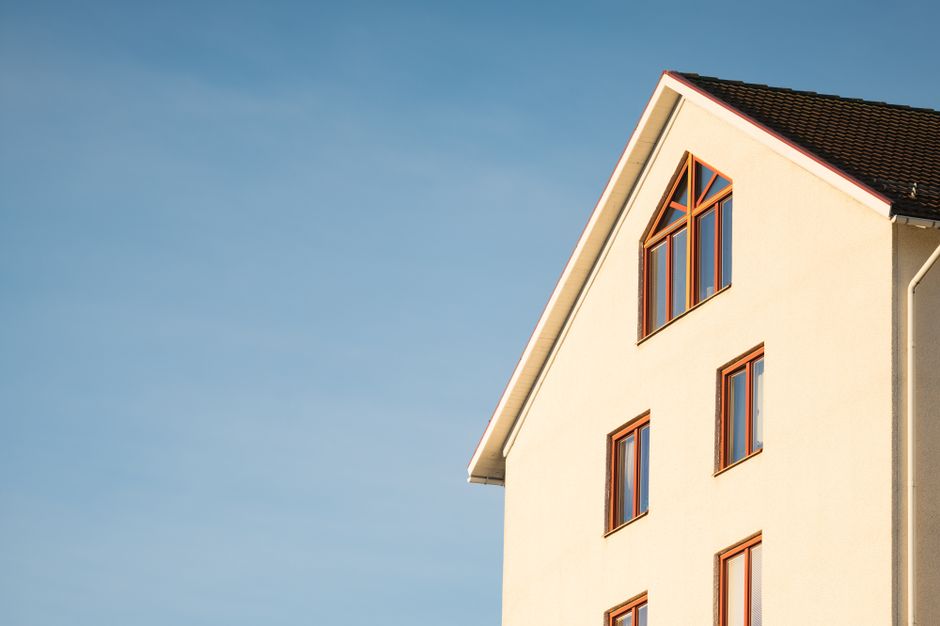
Birmingham’s average house price climbed to £273,100 at the end of June, representing a 4.1% increase from the same quarter last year, according to new figures from the Land Registry. The pace of growth has slowed compared to the hot market of 2025, but estate agents say demand is holding up in sought-after neighbourhoods.
The city’s property figures land amid a backdrop of regional uncertainty and changing mortgage conditions. Birmingham’s last year saw a series of Bank of England rate rises, which fed into higher borrowing costs and pushed some first-time buyers to the sidelines. Despite these headwinds—and louder warnings from Nationwide and Leeds Building Society about the sustainability of double-digit price leaps—Birmingham has managed to outpace the broader West Midlands region, which clocked in at 2.7% growth year-on-year.
Rising prices signal ongoing demand for centrally located homes, even as new instructions slow. Local property professionals point to strong employment in the city centre and continued investments—Phase Two construction on the Paradise development and the lure of Digbeth’s creative quarter both underpin confidence in future price stability.
Some pockets are thriving more than others. Edgbaston, with its Georgian terraces around Frederick Road and fast-changing retail scene on Highfield Road, posted the sharpest increase, at just over 6.2% annually. In Harborne, average sales values in the B17 postcode hit £391,350 this quarter, up more than £23,000 from the prior year. Agents at Hunters on Harborne High Street cited a spike in viewings since early spring, especially of three-bedroom semis close to the Queen Elizabeth Hospital campus.
The picture was mixed elsewhere. The Jewellery Quarter showed only modest growth at 0.9%, attributed to a higher level of flats on the market and stricter buy-to-let lending criteria since January. Meanwhile, Selly Oak, buoyed by the University of Birmingham and several new-build blocks along Bristol Road, saw a steady stream of student and investor buyers. Demand is still outstripping supply in these core areas, estate agencies told The Daily Birmingham, despite the wider market cooling.
According to property consultancy JLL’s new Birmingham Index, transaction levels citywide dipped 2.3% quarter-on-quarter, but median prices in April–June 2026 stayed above the level set at the close of last year. In Ladywood and Aston, the average sale price for a two-bed flat was £202,800—a figure flat from Q1, but up 3.4% compared to 12 months ago. The city’s northern arc, especially along the A34 corridor near Perry Barr, continued to attract first-time buyers thanks to regeneration schemes and shared ownership options promoted by Citizen Housing.
Still, with major lenders flagging slightly longer selling times and a growing stock of unsold new-builds in the city centre, some local experts warn against assuming the 2025 boom is returning. The ongoing climate of economic uncertainty, compounded by international instability and higher energy bills—common topics at Birmingham City Council planning meetings this spring—suggests a period of adjustment is on the cards.
Looking Ahead: Advice for Buyers and Sellers
What’s next? Agents across Edgbaston, Harborne and Digbeth say family homes under £400,000 are selling fastest, though patience and flexibility on price are advised for those listing flats or properties further from the tram or rail links. Mortgage rates remain above 5%, so first-time buyers are encouraged to investigate targeted schemes such as Help to Buy Midlands or new green loan products offered by West Bromwich Building Society. Analysts expect quarter-on-quarter price growth to flatten over summer, but barring shocks, Birmingham’s annual gain puts it among the more resilient UK regional cities for 2026.
Property
Property
Property
Property
About this article
Published by The Daily Birmingham
Spread the word
Daily brief
Free, in your inbox before 7am. Weekdays.
The Daily Network — local news across Australia