Property
Birmingham Council Unveils Major Changes to Planning Rules, Raising Density and Shaping Future Design
Moves to allow taller and denser projects will reshape Selly Oak and Digbeth as city targets 7,000 new homes by 2031.
3 min read
Property
Moves to allow taller and denser projects will reshape Selly Oak and Digbeth as city targets 7,000 new homes by 2031.
3 min read

Birmingham City Council has approved a sweeping reform of its planning policy, setting the stage for higher-density housing and more flexible design standards across key neighbourhoods including Selly Oak and Digbeth. The changes, rubber-stamped at the 2 July cabinet meeting, mark the city’s most significant relaxation of building-height and unit-mix rules in more than a decade.
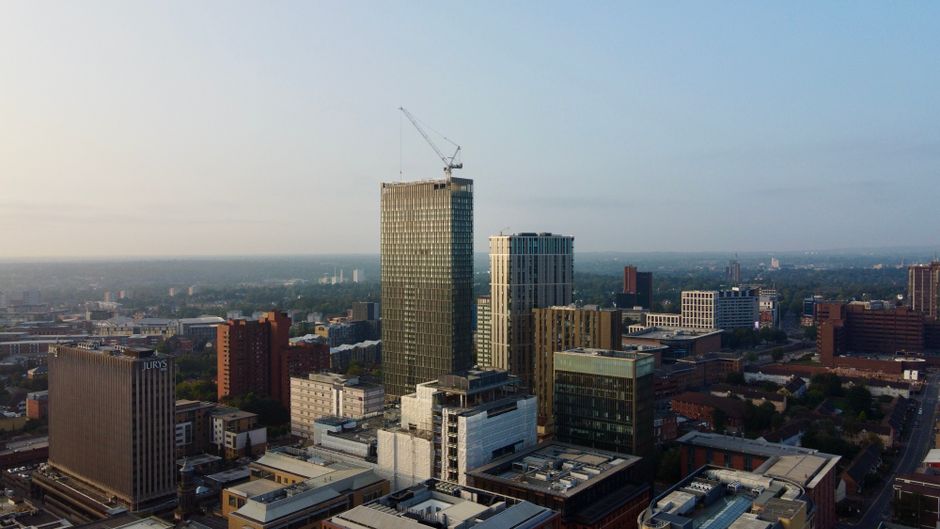
The revision comes amid surging demand for homes and mounting pressure on infill sites. With student numbers swelling at the University of Birmingham and inward migration at a five-year high, city planners say densification is essential to stem rising rents and prevent urban sprawl into Sutton Coldfield’s greenbelt. At the same time, the West Midlands Combined Authority is pushing for 215,000 new homes across the region by 2031, putting Birmingham at the centre of an escalating housing debate.
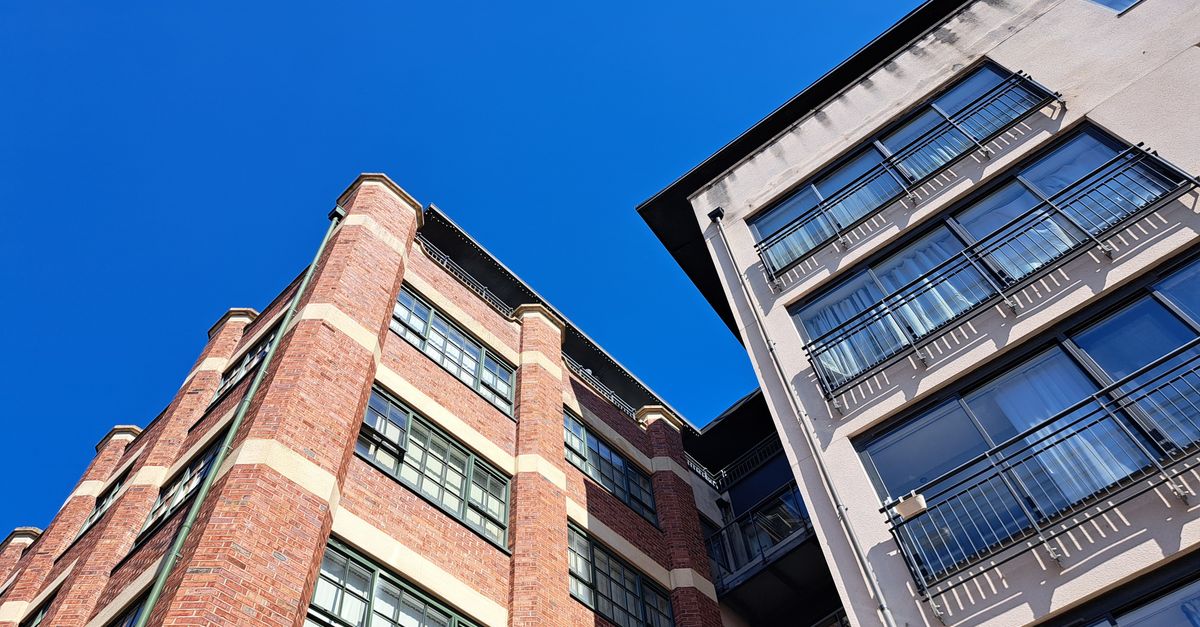
Selly Oak, already in the grip of rapid change with student-focused blocks on Aston Webb Boulevard, is one of the policy’s prime testing grounds. New guidelines allow developers on designated streets—including Exeter Road and Hubert Road—to seek up to 7 storeys without the current presumption against tall buildings. This relaxes previous restrictions, which capped most schemes at four to five storeys outside the city core.
Digbeth’s creative quarter also stands to benefit. The council confirmed that its reworked Supplementary Planning Document (SPD) will allow mixed-use towers up to nine storeys on key plots near Floodgate Street and the Custard Factory, provided proposals deliver at least 25% affordable housing and active ground-floor uses. BDP, the architecture and masterplanning consultancy overseeing several major Digbeth schemes, says the new flexibility could unlock stalled brownfield sites targeted for residential and co-living projects.
According to council figures, the city approved just 3,800 new homes in 2025—well below its 7,000 target. Average monthly rents for a two-bedroom flat in central Birmingham reached £1,350 in May this year, up 9% from twelve months prior, based on data from property analytics firm Hometrack. Local planners insist the new rules are not a green light for “anywhere, anything, at any height”—the updated SPD includes specific safeguards for heritage assets around St. Paul’s Square and sightlines from the Birmingham Moor Street station approaches. But a new design review panel, drawing on expertise from Birmingham City University’s built environment faculty, will undertake quarterly audits to ensure development quality keeps pace with increasing density.
The council’s planning team will begin accepting applications under the revised rules from 15 July. A series of drop-in workshops for residents is scheduled at the Library of Birmingham (16 July) and Selly Oak Community Centre (18 July). Private developers keen to explore opportunities—from small infills to multi-tower proposals—are being encouraged to book pre-application meetings via the council’s online planning portal.
Neighbourhood forums and local business groups have one month to submit feedback on the first tranche of projects likely to come forward this summer. Council leader Sharon Thompson has said future revisions will be considered if monitoring shows impacts on amenity or affordability. For now, planners and property investors alike will be watching Selly Oak and Digbeth’s skyline for the first signs of Birmingham’s new urban form taking shape.
Property
Property
Property
Property
About this article
Published by The Daily Birmingham
Spread the word
Daily brief
Free, in your inbox before 7am. Weekdays.
The Daily Network — local news across Australia