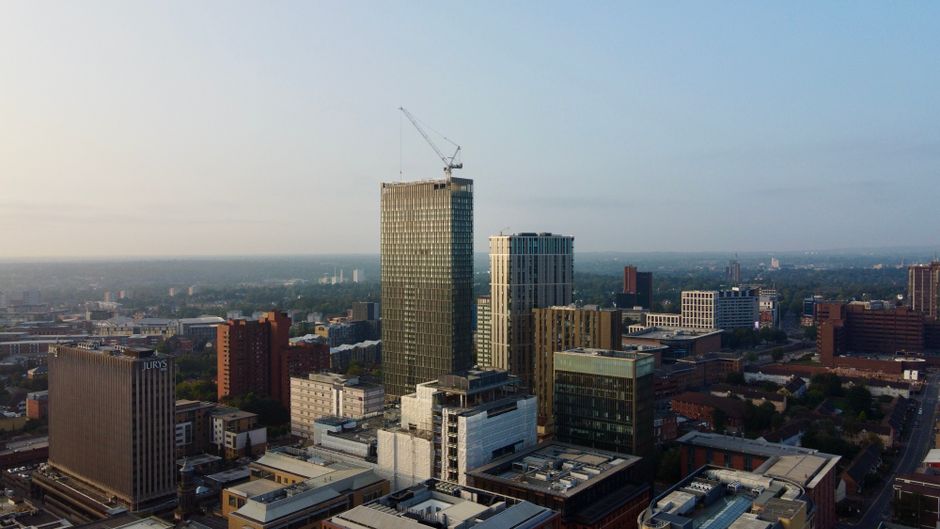
Birmingham’s residential market is witnessing a sharp climb in competition as buy-to-let investors pile back into the city for the first time since pandemic-era retrenchment. Agents say the number of investor-led offers in June rose by nearly 30% year-on-year, crowding out first-time buyers and young families, especially in wards such as Edgbaston and Selly Oak.
This renewed investor appetite comes as rising mortgage rates start to plateau and rental demand outstrips supply, putting Birmingham back on the radar for portfolio landlords priced out of London and the South East. With uncertainty abroad and another record-breaking European heatwave redirecting some global capital into UK property, the city’s market dynamics have swiftly shifted from steady to fiercely competitive.
The New Battle Grounds: Edgbaston to Digbeth
On Calthorpe Road in leafy Edgbaston, flats above the bustling Five Ways shopping district are changing hands within days—one recent two-bed flat listed by Connells fetched £265,000, a full £15,000 above guide price after a six-offer bidding war. In Digbeth, urban conversions along Bradford Street are attracting not only hipster renters but also landlord consortia, according to data shared to The Daily Birmingham by regional letting agents.
Even suburban lettings hotspots like Selly Oak, long favoured for student HMOs serving the University of Birmingham, are feeling the pressure. Local agency Oakmans reported that 42% of offers on three-bed terraces in April and May came from investors—up from 31% in the same window last year. Tight new licensing from Birmingham City Council, including the selective licensing rollout in Bordesley Green this spring, appears to be doing little to cool investor ardour, though it’s triggered more due diligence among newer entrants.
Rents and Sale Prices on the Rise
Land Registry data for B16 and B17 postcodes shows that average prices for mid-century maisonettes have jumped 8.7% since January, now standing at £220,400. JLL’s mid-year forecast suggests Birmingham’s overall house prices will finish 2026 up 5.5%, outpacing the West Midlands average. At the same time, Rightmove’s Rental Tracker puts median two-bed city centre rents at £1,340pcm this June—£200 higher than last summer—further stoking buy-to-let returns for those with cash or equity.
Meanwhile, the influx has pushed out many hopeful first-time buyers. Jasmine D., a 28-year-old NHS worker from Harborne, says her budget of £200,000 was instantly outbid five times running in Kings Heath and Stirchley, each time losing to buy-to-let landlords with no chain. “It feels impossible right now,” she said, reluctant to use her full name due to privacy concerns.
So what next for Brummies eager to get on the ladder? Market watchers expect the surge in investor activity to persist through autumn, especially with Bank of England minutes from June indicating little likelihood of near-term rate hikes. New build sales teams in communities like Smith’s Garden (just off Great Barr Street near Eastside) now recommend buyers get mortgage agreed-in-principle before viewing, to compete toe-to-toe with seasoned landlords. For those priced out entirely, the city council’s shared ownership scheme, relaunched this month with 50 new units across Northfield and Sparkbrook, is one avenue to monitor—but demand is brisk. Without further intervention, the balance in Birmingham’s property tug-of-war looks set to tilt further toward landlords, at least in the short term.