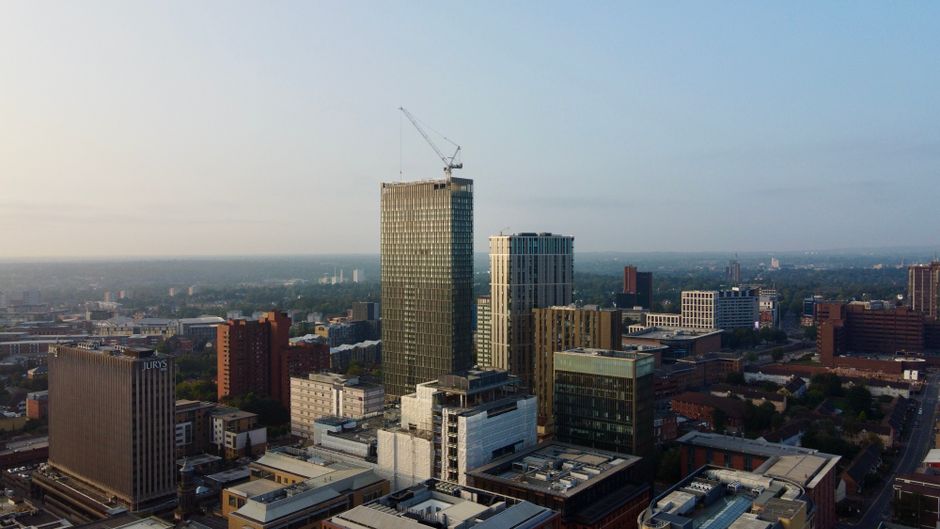
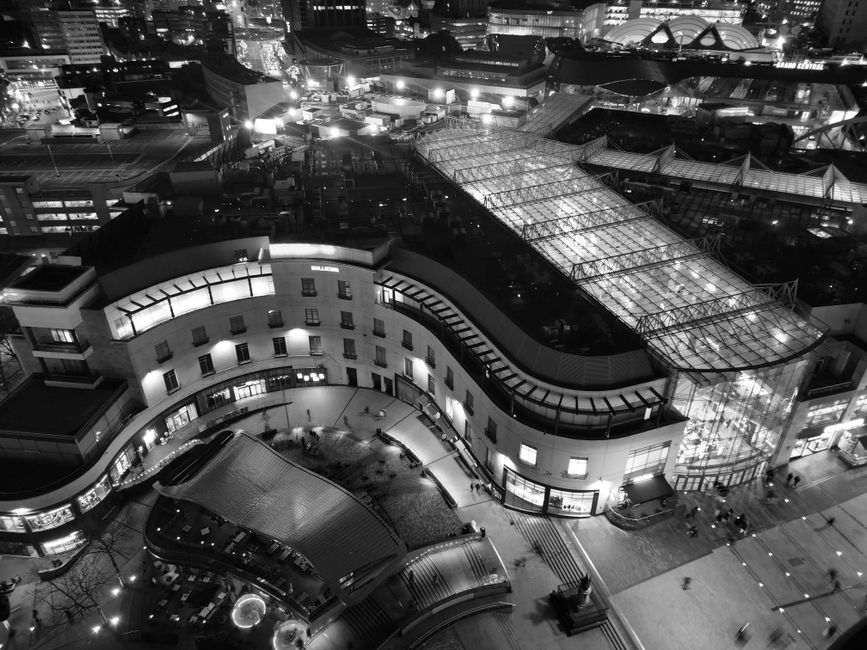
Average house prices in Birmingham have slipped for the first time since the pandemic-driven surge, falling 2.3% in the past twelve months as buyers face higher interest rates and stricter lending. According to new figures from West Midlands Land Registry, the citywide average now sits at £263,400—down from a post-pandemic high of £269,600 in late 2025, but still up sharply from pre-boom levels.
Reflecting on the 2021 Peak
The contrast with 2021 is striking. Five years ago, the market was running red hot: bidding wars were common in leafy Edgbaston, and even starter homes in Stirchley and Harborne vanished within days of a listing. Knight Frank’s records put the 2021 average price at just £226,000 for Birmingham—a meteoric 8% annual increase that dwarfed most other UK cities. At its height, agents on Colmore Row and Hagley Road were juggling dozens of viewings per week, thanks to remote work shifts and stamp duty holidays.
This fever broke by late 2022, but activity never returned to pre-pandemic calm. Today, the tone is measured. “Speculative investors have thinned out,” says one city centre agent, who asked not to be named, “and owner-occupiers are slower to commit with base rates at 4.25% and the inflation squeeze still biting.” Demand remains resilient in hotspots like the Jewellery Quarter, but the frantic sense of panic buying has faded.
Bull Ring to Brindleyplace: A Tale of Two Markets
The slowdown is not evenly spread. On heritage-rich Water Street, larger period apartments have softened, with a three-bedroom in the Newhall Court complex recently dropping £25,000 before finally securing a June offer at £370,000, according to Barrows & Forrester. Meanwhile, new-build options along Holloway Head and the Smithfield regeneration zone—tied to the ongoing Birmingham City Council housing programme—are still moving, supported by Help to Buy 2026 extensions and first-time buyer demand.
Hamptons’ Q2 analytics show Digbeth flats holding their value up to £308,000, buoyed by the Metro extension and HS2-related optimism. In contrast, some family homes in Handsworth and Longbridge have seen their listings linger for 90 days or more, a reversal from the 2021 climate when buyers lined up before viewings.
Transactions city-wide are down 14% year-on-year, but the most eye-catching change is in cash purchases—now 41% of all completions in B1 and B5 postcodes, up from 26% in 2021. Agents attribute this to tighter mortgage criteria and a surge in overseas interest, particularly in the run-up to expected policy changes next spring.
Looking Ahead: Opportunity—and Caution
The big unknown for the autumn: how landlords and buyers will react to potential updates in city council rules on private renting and energy efficiency standards, both out for consultation until September. For now, market-watchers are advising sellers to be realistic on price and presentation, particularly in areas like Selly Oak and Bordesley, where competition remains stiff amid rising supply.
For hopeful buyers, brokers such as Coreco are telling clients to secure mortgage offers before anticipated base rate tweaks in August. New listings—and sharper deals—are expected after the summer lull. While the city’s real estate landscape is a world apart from the 2021 frenzy, most experts agree Birmingham isn’t in bust territory: “This is a settling, not a collapse,” one long-time Harborne estate agency director bluntly put it. The data backs them up: prices are softer, but few expect a return to the bargains of five years ago.