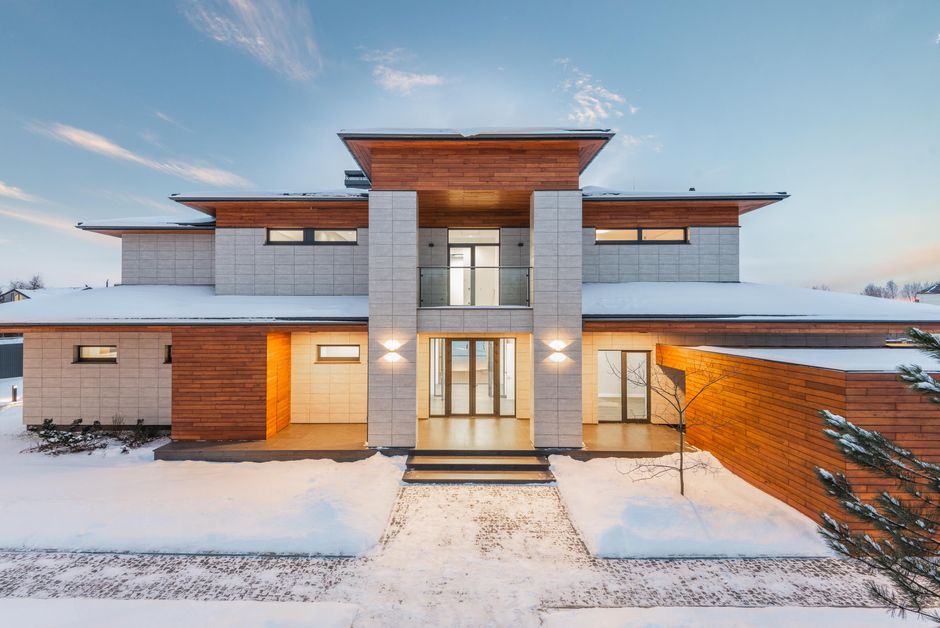
If you bought a house on Harborne Park Road five years ago, you’re probably feeling pretty smart. New data from West Midlands Property Insights shows the average detached home price in Birmingham has jumped nearly 14% in the past 12 months, while flats and apartments—often dubbed ‘units’ by agents—have stagnated, eking out just a 2% rise over the same period.
For first-time buyers, families, and investors, the yawning gap between house and unit prices isn’t just an abstract statistic. Birmingham’s housing market has always had its own quirks, but the current divergence presents new challenges and opportunities. Gentrification in Bournville and high demand for family homes in Edgbaston are pushing up the ceiling for houses, even as confidence around city centre apartments lags. All this matters as local buyers weigh whether to stretch for that extra bedroom or settle for a more central flat.
Neighbourhood Impact: Winners and Losers
On the leafy stretches of Wentworth Road in Harborne, bidding wars for three-bedroom semis have become routine. According to Purplebricks’ latest Birmingham market snapshot, the average detached house in Harborne now fetches £534,000—a jump from £470,000 in early 2025. Yet, head down into Digbeth, where converted mill apartments once set the pace, and prices are nearly flat. Zoopla’s June figures show typical two-bed flats in The Kettleworks are still stubbornly hovering at £225,000, up less than £5,000 from last summer. Local estate agents at Connells say more rental units than usual are hitting the resale market, but buyers aren’t biting as quickly as last year.
The factors underpinning this divide are varied. Birmingham City Council’s family-friendly school initiatives in Selly Oak, coupled with planned improvements to the University station, have amplified suburban demand. By contrast, buy-to-let landlords are facing tougher affordability checks and weakening yields on city-centre flats, especially with more short-term lets appearing since the Clean Air Zone expansion last autumn. The sharpest price jump was recorded in Moseley—houses up 16% in a year according to Land Registry data—but in nearby Jewellery Quarter, average flat values moved only 1.8%.
The Numbers Behind the Shift
City-wide, the Land Registry pinpoints the June 2026 average house price in Birmingham at £395,200. Flats trail behind at £212,850, with the gap between them now wider than at any point since 2017. Savills’ regional head of research, in their latest report, noted semi-detached and terraced properties—with gardens and parking—are fetching above-guide offers, while flats often require multiple price reductions to attract interest. Transaction volumes back this up: May sales of detached and semi-detached houses were up 11% year-on-year, while flat sales fell by 7%.
Crystal Cox, lettings manager at Martineau Place, pointed to rising service charges and building safety remediation as drivers of caution for many flat buyers. Meanwhile, Help to Buy closure in March 2026 has funneled more entry-level demand onto the house market—especially in areas served by quality schools, such as Bartley Green and Hall Green.
Looking Forward: Advice for Buyers and Investors
With the market at this crossroads, local advisors are urging caution. Families looking to upsize might face more competition and overbidding in Edgbaston or Kings Heath. Yet, for those considering city-centre flats, patience could pay off—especially as some landlords look to offload properties in response to regulatory and tax changes. “The divergence could narrow,” one analyst told me, “but only if relative affordability brings buyers back to units or if house price momentum finally slows.”
Buyers should scrutinise the service charge history for flats, particularly in older blocks. For house-hunters, be ready to move quickly—but don’t skip due diligence, even in a competitive environment. Investors, meanwhile, might explore suburban HMOs or family lets, where rental demand remains strong. What’s clear: Birmingham’s house-unit price split isn’t just a headline, but a reality reshaping neighbourhoods street by street.