Property
Why Harborne Remains Birmingham’s Blue-Chip Bargain for Savvy Buyers
Despite a fiercely competitive market, Harborne still delivers value for owner-occupiers and investors—if you know where to look.
3 min read
Updated 7 h ago
Property
Despite a fiercely competitive market, Harborne still delivers value for owner-occupiers and investors—if you know where to look.
3 min read
Updated 7 h ago
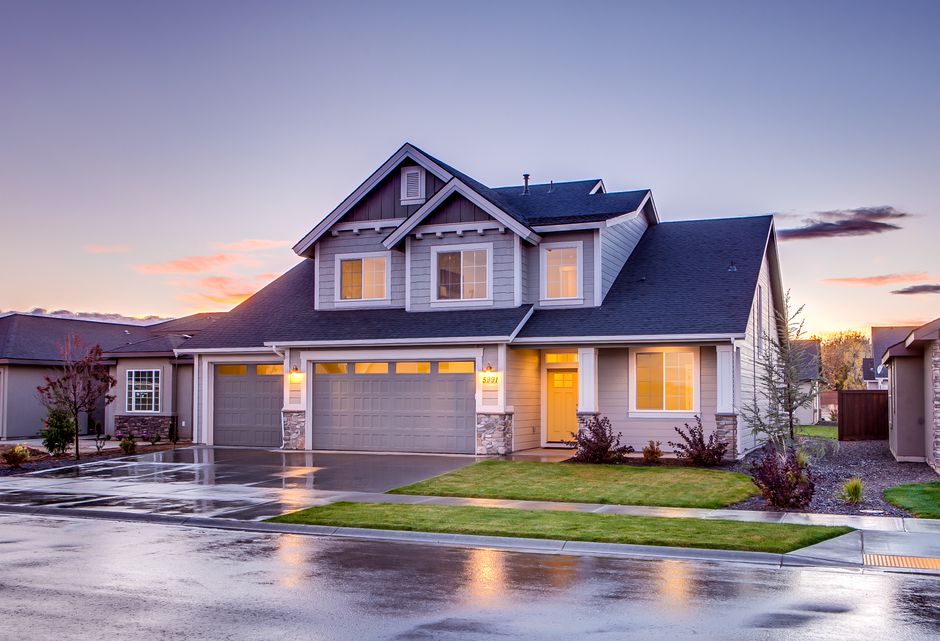
Three-bedroom terraces in Harborne are trading at £425,000—well below the London average, and still comfortably within reach of upwardly mobile families and buy-to-let investors. New figures from the West Midlands Combined Authority show property transactions in this sought-after Birmingham suburb rose 9% in the first five months of 2026, even as rising mortgage rates squeeze affordability elsewhere.
With UK inflation stubbornly at 3.2% and prime lending rates up another quarter point in June, buyers across Birmingham are searching harder for homes that promise security as well as growth. For years, suburbs like Harborne have lured NHS consultants, university academics, and established families seeking tree-lined streets and good schools. But in 2024 and 2025, some speculators assumed that Harborne’s prices would finally push beyond the reach of first-time and mid-tier buyers.
Instead, the past six months have seen renewed demand, spurred on by steady jobs at Queen Elizabeth Hospital and the University of Birmingham. Meanwhile, neighbouring Edgbaston—always pricier—has seen family homes routinely top £600,000. The net result? Harborne has retained its coveted status, while still offering a discount compared to the city’s more exclusive postcodes.
Harborne High Street is the backbone here. While the new M&S Foodhall and well-established gastropubs like The Plough and The Green Man remain busy, many buyers cite access to top-rated schools—such as Harborne Primary and Lordswood Girls’ School—as the main draw. Local estate agent Cottons says demand for homes within walking distance of the High Street and leafy side roads like Park Hill Road and Vicarage Road consistently outstrips supply.
Transport links remain a strong selling point. The direct route to Five Ways and Birmingham New Street via the reopened University station shaves minutes off commutes to the city centre. The multi-million-pound Selly Oak regeneration, just a mile south, is drawing blue-chip employers and new retail venues, further boosting Harborne’s long-term appeal.
Average sale prices for Harborne’s period terraces and semis have climbed 6.1% year-on-year, according to Land Registry data released in June—a moderate rise compared to the 9.4% seen across Bournville and 10.8% spikes in Kings Heath. Detached family homes above North Road still fetch upwards of £700,000, but smaller semis and flats on Wood Lane are selling for £345,000—a sum considered excellent value by local standards.
Rental yields, too, have held firm amid national jitters over interest rate hikes. JLL’s Birmingham office reports net yields of 4% for well-located two-bed flats, with even higher returns on HMOs targeting university staff and hospital workers. Turnover is low; once settled, most residents stay put for decades.
Looking ahead, Birmingham City Council’s updates to the Neighbourhood Development Plan—expected Q4 2026—may introduce stricter controls on short-term lets, but are widely seen as likely to buttress long-term capital values for owner-occupiers and serious landlords.
For buyers and investors hedging against economic turbulence, Harborne offers a unique blend of proven growth, community stability, and access to Birmingham’s employers and amenities. “A blue-chip suburb that still offers value” isn’t just a cliché here; for now, it remains a reality supported by the data on the ground.
Property
Property
Property
Property
About this article
Published by The Daily Birmingham
Spread the word
Daily brief
Free, in your inbox before 7am. Weekdays.
The Daily Network — local news across Australia