Property
Birmingham's 2026 Property Market: Has the Boom of 2021 Really Echoed Back?
House prices and buyer competition have shifted dramatically in Birmingham since the pandemic-fuelled frenzy.
3 min read
Property
House prices and buyer competition have shifted dramatically in Birmingham since the pandemic-fuelled frenzy.
3 min read
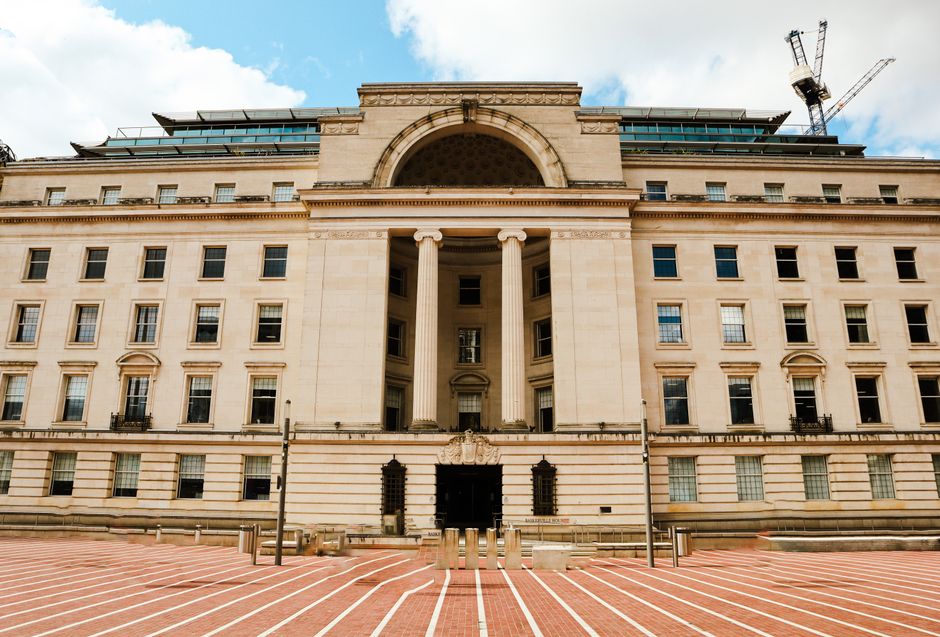
Average asking prices for homes across Birmingham in June 2026 finished 5.8% below their 2021 peak, ending a run of post-Covid gains that had previously made the city one of Britain’s hottest property markets. Despite a lively start in spring, a mix of higher mortgage rates and broader economic jitters have ushered in a cooler, steadier pace—unlike the breakneck bidding wars seen on streets like Harborne Park Road just five years ago.
This matters for thousands of would-be buyers and sellers weighing up their options after a period of extreme uncertainty. In 2021, agents from firms such as Connells and Hunters reported selling semi-detached houses in minutes, sometimes above listing price, as returning city workers and investors vied to snap up property. Now, as the post-pandemic dust settles, the market feels markedly more cautious, and fewer properties are coming to market in key locations.
Take Edgbaston, once the poster child of rapid appreciation, where average sale prices soared past £420,000 at the height of the boom, according to figures from Rightmove. Local estate agency Tyler Estates told The Daily Birmingham that this June, most three-bed terraces fetched closer to £397,000—and properties now take six weeks to sell, not six days. Meanwhile, in Digbeth, the city’s artsy quarter, both first-time buyers and investors have grown selective. The £350,000 asking prices for two-bed apartments in places such as Fabrick Square in 2021 have softened to £335,000 this summer, even with investment in new venues like The Bond attracting more interest.
Nick Underwood, a property analyst tracking the city’s trends, described the shift as 'a return of sanity'. The market, he said, is stabilising both on grand leafy avenues and in edgier, up-and-coming postcodes. Mortgage broker enquiries at the Birmingham branch of Legal & General have increased 9% year-on-year since the Bank of England began cutting rates last March, but lenders remain cautious, and many deals hinge on larger deposits than during the stamp duty holidays of 2021.
Data from Land Registry shows that the average Birmingham sale price in May 2021 stood at £239,100, compared to £225,100 in May 2026. That drop may look modest, but behind the numbers lies a shift in market mood: the number of properties changing hands in May this year was 14% below the 2021 figure. Estate agents report more open houses and fewer sealed-bid offers; the fever-pitch competition is gone, replaced by hard negotiations on streets from Moseley’s leafy avenues to newly regenerated sections of Jewellery Quarter.
The balance, according to property managers at Centrick, is partly down to local factors. The city council’s introduction of new build-to-rent projects on Holloway Head and the expansion of the Midland Metro are making some urban locations steadier, while suburban hotspots that boomed post-pandemic are now recalibrating. Rental prices remain firm—averaging £1,200 for a two-bed city centre flat—but purchasers face stricter affordability checks than at the market’s peak.
Those looking to move yet this summer should expect longer timeframes than in the 2021 scramble. Agents at John Shepherd advise vendors to set realistic asking prices and brace for offers below asking, particularly in saturated segments like small city-centre flats. Buyers can take advantage of more breathing space, but with lending criteria tight and inflation only just coming under control, the days of double-digit annual growth appear to be over in Birmingham for now.
Property
Property
Property
Property
About this article
Published by The Daily Birmingham
Spread the word
Daily brief
Free, in your inbox before 7am. Weekdays.
The Daily Network — local news across Australia