Property
How Much Rent Is Too Much? The 30% Rule in Practice in Birmingham
Birmingham tenants are feeling the pinch as rising rents push many beyond the traditional affordability threshold.
3 min read
Updated 8 h ago
Property
Birmingham tenants are feeling the pinch as rising rents push many beyond the traditional affordability threshold.
3 min read
Updated 8 h ago

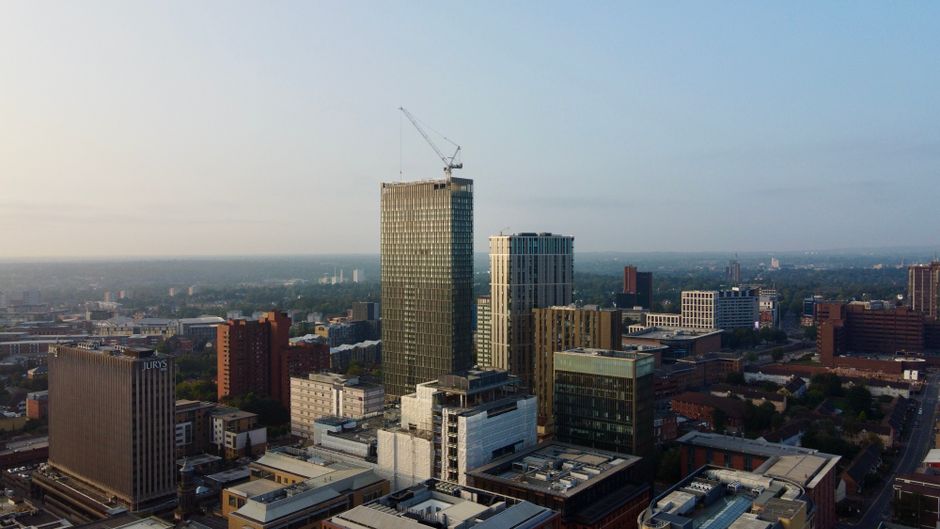
More than half of renters in central Birmingham are now forking out over 30% of their monthly income on housing, far above the threshold long recommended by financial advisers. The 30% rule — the guideline that no more than a third of earnings should go towards rent — is increasingly being breached from Digbeth’s new apartment towers to the terrace flats of Harborne.
The squeeze on renters this summer comes as average rents hit fresh highs, driven by a combination of high demand, slow construction of new homes, and stagnant wage growth. With mortgage rates only starting to ease, prospective first-time buyers are being kept in the rental sector longer, putting yet more pressure on limited supply. The question facing thousands in Birmingham is painfully simple: How much rent is too much?
On Newhall Street, letting agents report brisk turnover — but two-bedroom flats that rented for £1,200 a month in 2021 are now relisting at £1,500 or more. In Selly Oak, student tenants backed by parents helped push the average rent for a single room to £675, according to data from the University of Birmingham Accommodation Service. Birmingham City Council’s recent review flagged Ladywood and Edgbaston as hotspots for rent inflation, with several postcodes seeing annual hikes over 11%.
Data from HomeLet shows the June 2026 average rent for a new tenancy in Birmingham reached £1,286 a month, up from £1,134 a year ago. That outpaces wage growth: ONS figures put the city’s median gross monthly earnings at £2,117. Under the 30% guideline, that median earner should cap rent at £635. What’s on offer at that price? Options are increasingly scarce outside outer neighbourhoods like Bordesley Green or Perry Barr.
Local charities such as Shelter Birmingham report rising demand for debt and eviction advice. "We’re seeing more cases of renters who spend well beyond the 30% threshold simply because they can’t find suitable options for less," a senior adviser there said. New developments like Soho Wharf promise hundreds of units, but rents remain stubbornly high, with one-bedroom flats starting at £1,150 per month.
Faced with tight budgets, many younger renters are deferring home-buying — stuck in a cycle where high rents make it harder to save for a deposit. The Mortgage Advice Bureau Birmingham reports a 38% drop in first-time buyer applications since this time last year, as higher living costs bite. As summer festivalgoers flock to Centenary Square, many are also calculating hard choices: move further out, take on extra flatmates, or risk rental stress to stay in the city’s heart.
So, what can renters do now? Financial counsellors at Citizens Advice Birmingham suggest reviewing tenancies annually, considering house-shares, and checking eligibility for support from the Renters’ Reform Fund, newly expanded this July. Renters across B16 and B29 may need to flex longstanding assumptions about the right ratio — but experts warn, spending over 30% on rent long-term leaves little for emergencies or the dream of homeownership.

Property
Property

Property
Property
About this article
Published by The Daily Birmingham
Spread the word
Daily brief
Free, in your inbox before 7am. Weekdays.
The Daily Network — local news across Australia