Property
Birmingham’s House-Unit Price Gap Widens: What Buyers Need to Know
Detached home values are pulling ahead, while apartment prices slide—shifting the balance in city neighbourhoods from Harborne to Digbeth.
3 min read
Updated 8 h ago
Property
Detached home values are pulling ahead, while apartment prices slide—shifting the balance in city neighbourhoods from Harborne to Digbeth.
3 min read
Updated 8 h ago
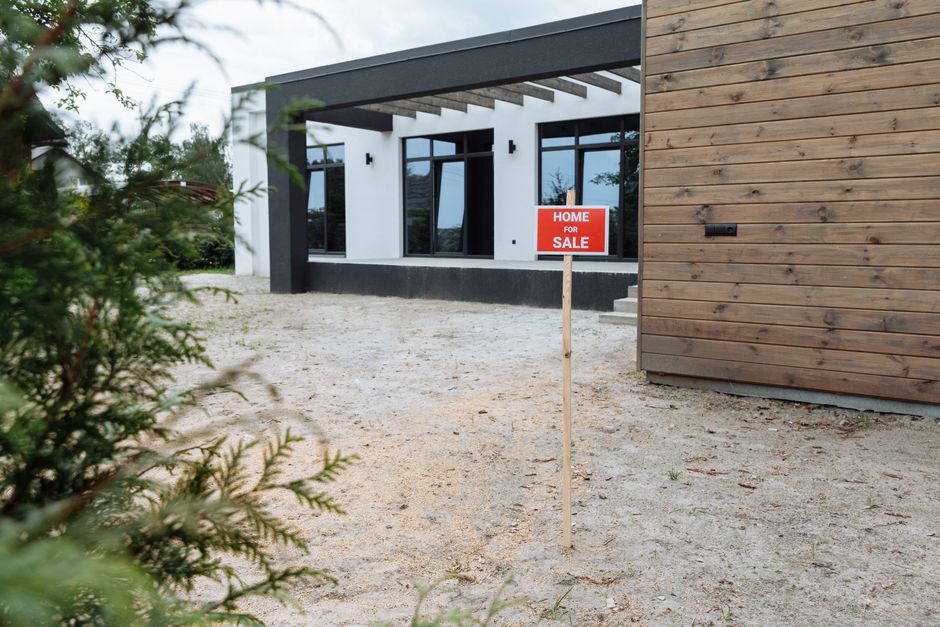
The gulf between house and unit prices in Birmingham is now wider than at any point since 2019, according to new figures from West Midlands Property Observatory. Detached homes have soared ahead in value, leaving buyers and sellers in the city’s apartment market facing a starkly different reality.
With the city’s population hitting 1.17 million in late June and a string of new apartment schemes delivering high-density living, this divergence is no academic detail. It is influencing what gets built, where families settle, and how investors approach Birmingham’s post-pandemic property economy.
Nowhere is the divide clearer than along the A4040. In leafy Harborne, agents like James Laurence report average prices for three-bed semis on Station Road approaching £460,000—a jump of 5.3% year-on-year. Yet in Birmingham city centre’s Globe Works or The Kettleworks, two-bed units are actually down compared to last summer, typically fetching just under £230,000, about 3% off last year’s mark.
This is a turnaround from two years ago, when city apartments led price growth as remote work trends shifted demand. But as students flood back and mortgage rates remain stuck above 4%, families are hunting for gardens and more space, pushing suburban houses ahead. Housing associations such as Midland Heart have even scaled back acquisitions of central flats in favour of outer borough family-stock.
According to Nationwide’s May 2026 House Price Index, detached homes in Birmingham were up 6.1% on the year, while apartments fell 1.4%. That puts the median detached home at about £412,000 versus £210,000 for a two-bedroom apartment, the widest spread since pre-pandemic years. Local estate agency FleetMilne says demand for unsold apartments along the Digbeth corridor has cooled, with landlords offering rent-free periods in some blocks on Bradford Street to attract tenants.
Zoopla data shows unit sales took on average 43 days to complete in June, while houses closed in just 28 days—reflecting the stronger urgency for traditional property types. Several developers, including Court Collaboration, are now amending planning submissions along Bristol Street to favour more townhouse units and fewer small flats, responding to the changing market environment.
For buyers and sellers, the message is clear: Houses with outside space are holding firm, but those eyeing apartment blocks in the city core need to price competitively—especially ahead of the September student influx. Buyers seeking a bargain may find more negotiating room in high-rise schemes, while homeowners with suburban space can expect brisk competition. Property professionals predict the rift will remain pronounced through at least mid-2027, with Birmingham’s evolving rental and owner-occupier patterns reshaping more than just the skyline.
Property
Property
Property
Property
About this article
Published by The Daily Birmingham
Spread the word
Daily brief
Free, in your inbox before 7am. Weekdays.
The Daily Network — local news across Australia