Property
Birmingham Council Overhauls Planning Rules, Paving Way for Denser, Taller Housing
New measures could reshape major neighbourhoods like Digbeth and Perry Barr with higher-rise blocks and fewer car spaces.
3 min read
Updated 8 h ago
Property
New measures could reshape major neighbourhoods like Digbeth and Perry Barr with higher-rise blocks and fewer car spaces.
3 min read
Updated 8 h ago

Birmingham City Council has approved sweeping changes to its planning framework, allowing for taller buildings and denser residential developments in key regeneration zones, starting with city-centre Digbeth and Perry Barr. The move, agreed on Wednesday evening at the Council House, has put developers on notice and set off fresh debates among residents and business leaders about the future shape of local neighbourhoods.
The shakeup comes as the pressure mounts to address Birmingham’s persistent housing shortage and rising rents. According to council planning officers, the revised rules are designed to accelerate delivery of new homes while reflecting a post-pandemic shift in demand toward flexible, walkable city living. Developers working on high-profile sites such as the Smithfield regeneration area and the ongoing Port Loop project on the Edgbaston border are preparing to revisit their blueprints.
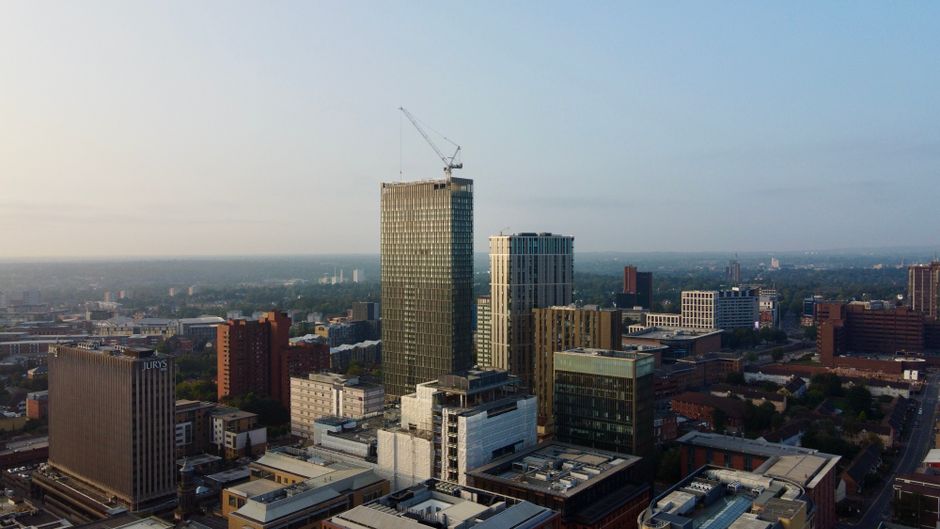
The updated guidance scraps previous height limits for residential towers within designated ‘growth corridors’, particularly along the Digbeth High Street/Deritend axis where several major sites have stood idle. Future schemes will be considered case by case for heights exceeding the previous 10-storey maximum, as long as they deliver public amenities or affordable units. The changes also reduce minimum parking requirements, meaning a typical 60-unit scheme in Perry Barr will only need to provide half the spaces stipulated under the old 2019 policy.
Developers including Urban Splash (behind Port Loop) and St Modwen (active around Longbridge and Selly Oak) have both submitted pre-applications for new blocks that would have breached the old density or height caps. According to figures discussed at Wednesday’s planning committee, Birmingham approved just 3,800 new homes last year—well below its annual 6,000 target—pushing average city rents up to £1,160 per month by June 2026, per Zoopla data.
Perry Barr councillor Aisha Khan says the changes are a double-edged sword: “Our young families need more homes, but people also worry about sunlight, parking shortages and losing green space.” Local campaigners in Jewellery Quarter have already called on the council to guarantee additional play areas and funded streetscape improvements before granting “superblock” permissions this autumn.
With construction costs still elevated—steel and concrete prices up over 20% since 2022, according to the West Midlands Builders Federation—developers are keen to push forward with viable, taller schemes. The council’s urban design manager has promised a full review of proposals coming forward in the coming months, with ward consultations for major applications such as the forthcoming Bradford Street cluster in Deritend due by early autumn.
Residents are encouraged to check the council’s planning portal for updates and submit feedback on schemes as they come forward. A special public drop-in session on the new planning rules will be held at the Library of Birmingham on July 22nd from 2pm–7pm. Councillors expect the new approach to take three to four years to have a measurable impact on overall supply—though keen buyers and renters in areas like Aston and Ladywood may see changes sooner as shelved developments are revived under the new rules.
Property
Property
Property
Property
About this article
Published by The Daily Birmingham
Spread the word
Daily brief
Free, in your inbox before 7am. Weekdays.
The Daily Network — local news across Australia