Property
Birmingham Houses Outpace Flats as Price Gap Widens: What It Means for Buyers and Sellers
Detached homes drive headline growth, but city centre flats lag — with big implications for locals and investors alike.
3 min read
Property
Detached homes drive headline growth, but city centre flats lag — with big implications for locals and investors alike.
3 min read
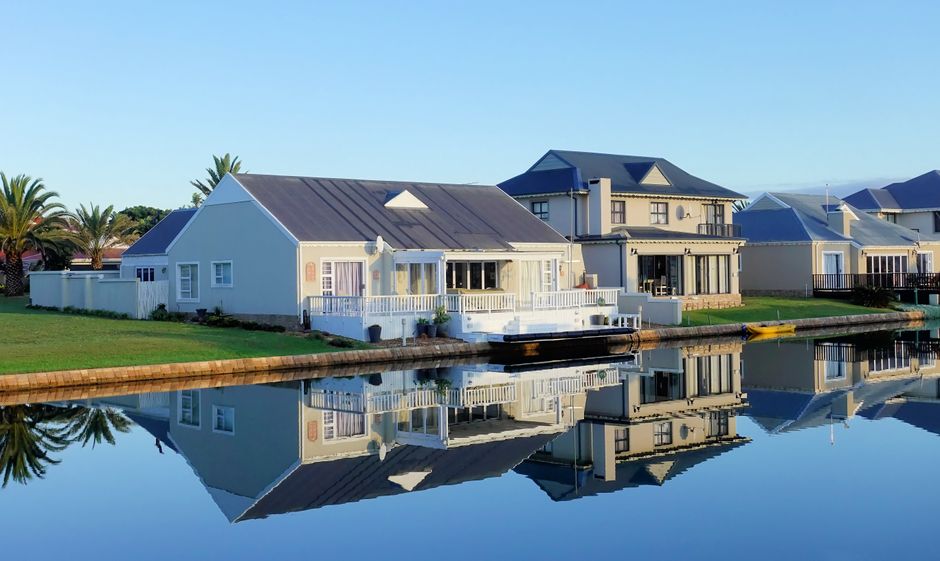
Detached and semi-detached houses in Birmingham are racing ahead of flats in terms of price growth, creating the city’s starkest property price gap in a decade. Latest figures from the West Midlands Land Registry as of June 2026 show average house prices hitting £357,800, up 4.3% year-on-year, while apartment (unit) prices have grown just 1.1% to £206,500.
This divergence matters right now, with affordability pressures and shifting demand upending the local market. Rising mortgage rates — the average two-year fixed rose to 5.4% last quarter, according to NatWest in Snow Hill — mean buyers are more cautious. At the same time, fresh builds clustered around Digbeth and the Jewellery Quarter are boosting apartment supply, holding back unit price growth even as houses in Leafy Edgbaston and Moseley see bidding wars.
The gap is especially obvious in central Birmingham. On Holloway Head, agents at Maguire Jackson report flats that sold for £235,000 in early 2022 are now fetching closer to £215,000, a decline once incentives are discounted. By contrast, family houses on Moor Pool Avenue in Harborne are routinely smashing guide prices; one four-bedroom semisold last month for £637,000, £67,000 over ask. Local agency Hunters attributes this to growing demand from families seeking garden space and better school catchments, particularly near King Edward VI High School for Girls.
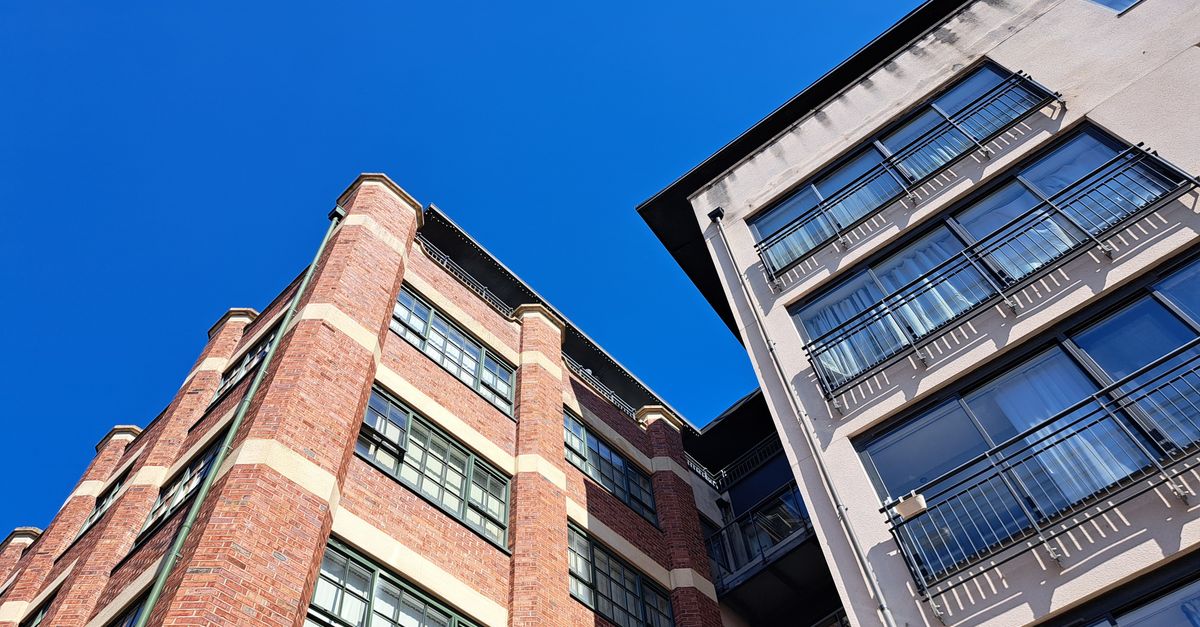
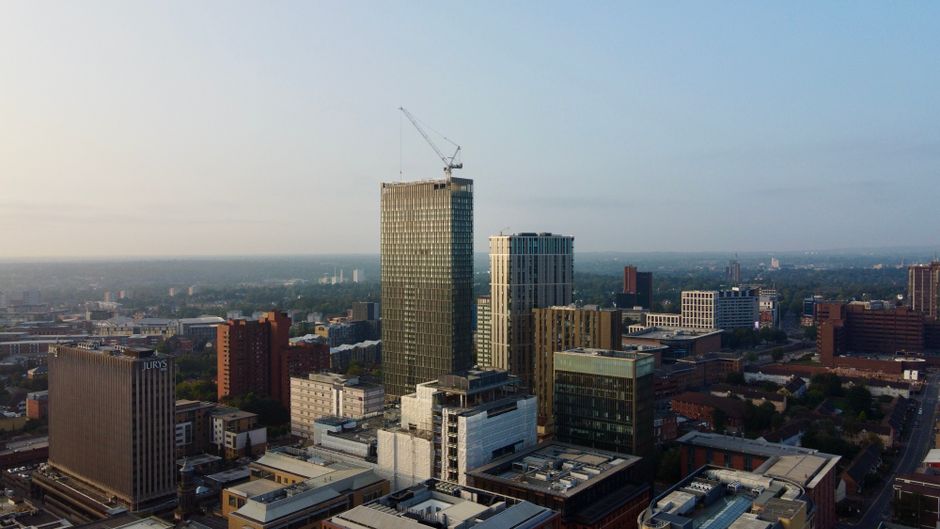
Property insiders say new-build apartment blocks circling Eastside and Aston University — like Bristol Street’s The Forum — have created intense competition for flat sellers. Meanwhile, chronic undersupply of suburban homes ensures resilient house prices, especially after the council's Green Corridors programme boosted suburban desirability around Handsworth Wood and Sutton Coldfield.
According to Zoopla data released this week, the house-to-flat price ratio in Birmingham has grown to 1.72, the highest since 2015. Back then, houses averaged £221,000 and flats trailed at £128,000. Now, the premium attached to houses has widened further, as remote work flexibility and outdoor space remain top buyer priorities. The city’s average time on market for a two-bedroom flat is now 47 days, compared to just 29 days for a three-bedroom semi in Bournville. First-time buyers, now facing higher deposit requirements, have shifted from city centre new builds towards shared-ownership schemes run by Midland Heart in Northfield and Erdington.
For investors, this means stronger rental growth in suburban houses and sluggish yields for apartments hit by service charges and heightened supply. Richard Headley, a local property analyst, calculated that rental yields for city flats have dipped below 4.2% this spring, versus 5.8% for outer-ring family homes.
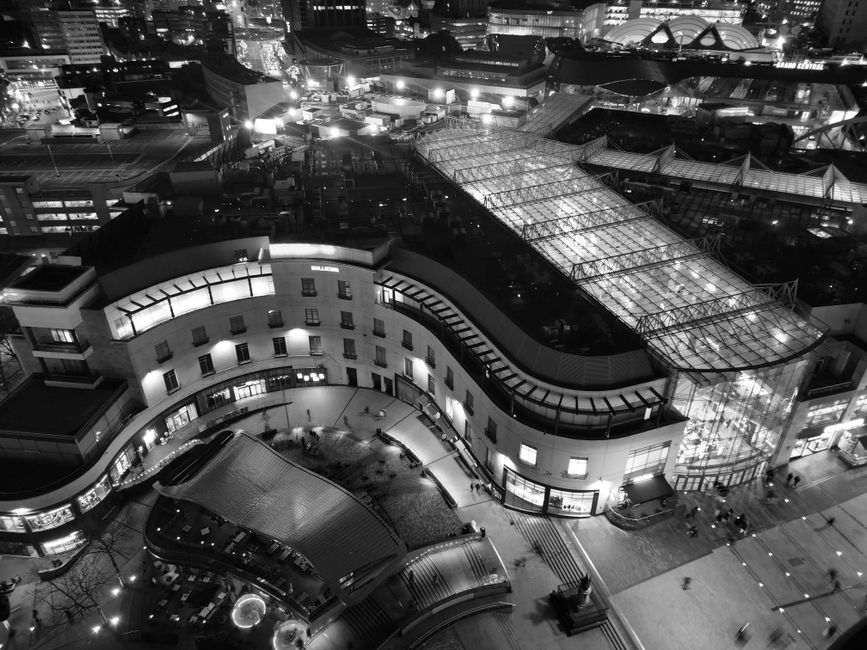
What happens next? Buyers snapping up homes in sought-after catchments may see further gains — but should be wary of overpaying as supply catches up. Flat owners in blocks near Grand Central and the Mailbox may face several more years of slow capital growth. Local agents suggest considering remortgaging on a five-year fix if you own a unit, or investigating Help to Buy’s remaining shared-ownership schemes if you’re struggling with deposits. Birmingham’s market remains dynamic, but the gap between houses and units is now the city’s defining property story for 2026.
Property
Property
Property
Property
About this article
Published by The Daily Birmingham
Spread the word
Daily brief
Free, in your inbox before 7am. Weekdays.
The Daily Network — local news across Australia