property
Solihull Developers Rush as £500m Metro Extension Transforms Birmingham Suburb
A new metro extension and £500m in infrastructure investment are turning a sleepy corridor into the region's hottest property play.
How we reported this
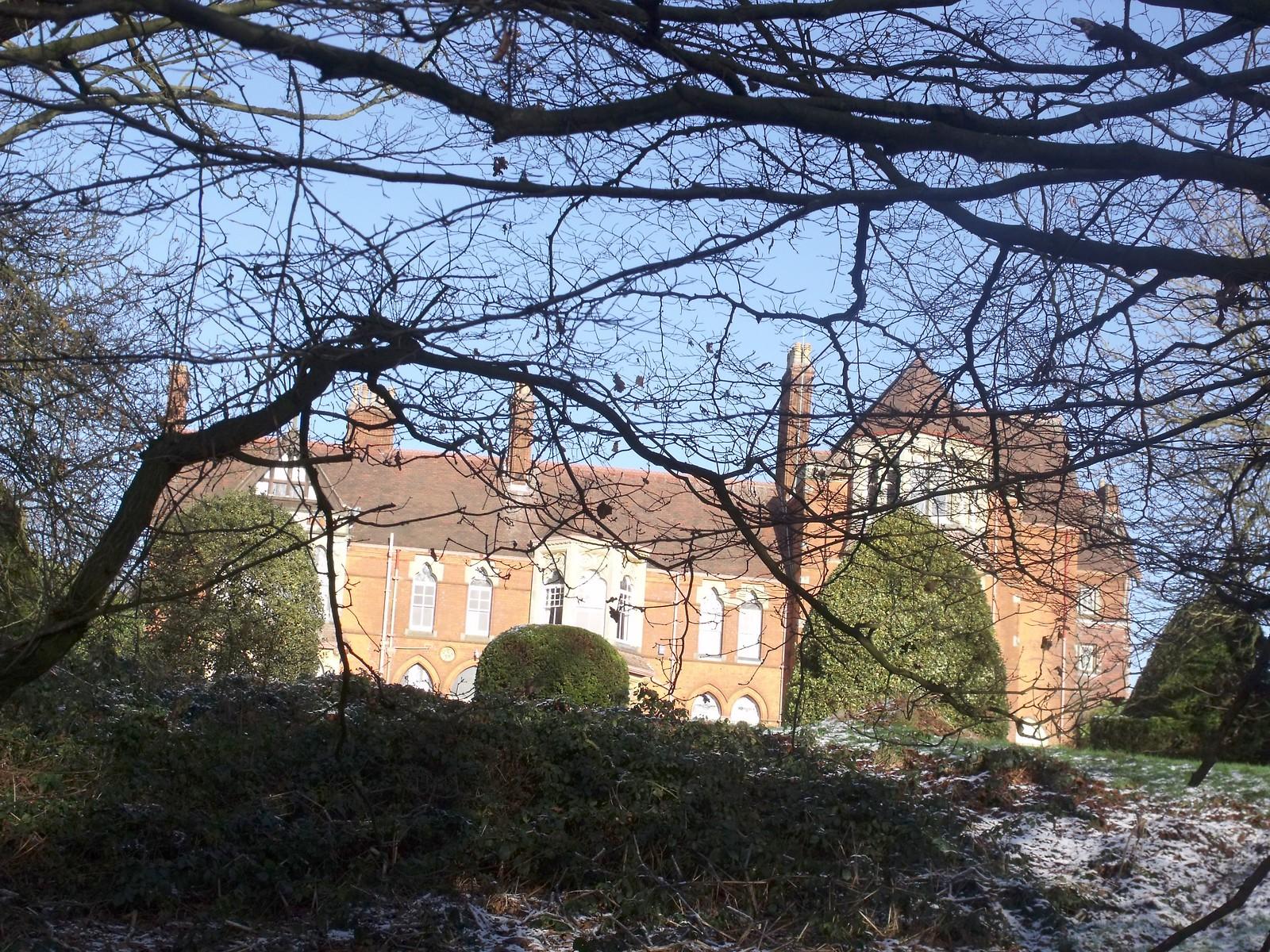
Solihull's property market has shifted. Where five years ago the suburb existed largely as a commuter bedroom outside central Birmingham, cranes now dominate the skyline along Homer Road and the NEC approach corridor. The catalyst is unmissable: the West Midlands Combined Authority green-lit a £220m extension of the Metro line from Birmingham City Centre through Solihull town centre to the Airport and NEC-a project scheduled for completion by 2029 that has already reshaped investor appetite.
The timing matters. Birmingham's commercial property sector contracted 3.2 percent in 2025 amid post-pandemic uncertainty about office-to-residential conversions, yet Solihull bucked that trend. Residential values in the Solihull growth corridor-roughly from Widney Manor through to the NEC boundary-rose 8.7 percent year-on-year to June 2026, according to Countrywide's latest regional digest. That outpace is not accident. The Metro, combined with simultaneous completion of the Solihull Town Centre regeneration masterplan and a new 45,000-square-metre mixed-use development anchored by the University of Birmingham's growing STEM campus satellite, has created the kind of infrastructure density that typically takes decades to assemble.
Where Money Is Moving
On the ground, the shift is tangible. Touchwood shopping centre, Solihull's anchor retail venue, announced in April a £180m investment in its own extension-the first major retail capital commitment in the West Midlands in over three years. More telling is the residential construction pipeline. Between Widney Manor station (due for Metro arrival in 2028) and Solihull Town Centre, developers have registered 2,847 new residential units in planning or under construction, 61 percent of them build-to-rent or shared-ownership schemes marketed explicitly to first-time buyers and young professionals priced out of central Birmingham.
Property prices tell the story. A two-bedroom apartment in Solihull town centre commands £285,000-£320,000 as of July 2026; the same spec in Edgbaston runs £380,000-£420,000. The gap has tightened from £180,000 in 2021. Houses with gardens and proximity to Solihull's ranked secondary schools (Solihull School, Tudor Grange Sixth Form) trade at £575,000-£695,000, up from an average £485,000 just 18 months ago.
The University of Birmingham's decision to establish a £70m Materials Science and Advanced Manufacturing hub in Solihull-announced last September-anchored genuine institutional confidence. The university's move brings not just postgraduate researchers but also corporate partnerships: Rolls-Royce, which maintains significant operations at the adjacent Airport industrial complex, has pledged to co-fund innovation labs. That kind of spillover effect, where academic and corporate clusters reinforce each other, rarely occurs outside tier-one cities.
The Risk Calculus
Not every developer has judged the market timing correctly. Two mid-sized residential schemes-one near Solihull Park, another on the Lode Lane corridor-were stalled in early 2026 when pre-sales targets fell short. Market observers attribute the pause to buyer hesitation over Metro completion delays (initial timelines slipped by eight months in 2024) and uncertainty around Birmingham's council tax revaluation, due for reassessment in 2027. That reassessment could raise band-D and band-E rates in growth areas by 10-15 percent, cutting into affordability for the young-professional cohort developers are targeting.
Still, the infrastructure economics remain compelling. The Metro extension will eliminate a 40-minute drive to central Birmingham for commuters now sitting on the 9 or 97 bus routes. For corporate relocations and remote workers choosing a base within commuting range of both the Airport and the city centre, Solihull's equation has shifted. Workspace providers have responded: three new managed office schemes totalling 180,000 square feet have planning approval within the Homer Road cluster.
The property market's reaction will become clearer over the next 18 months. If the Metro stays on track and university hiring accelerates, Solihull could cement itself as the West Midlands' third major office and residential node. If delays persist and council tax rises sting harder than expected, investor enthusiasm could cool. For now, Solihull sits in that rare window where infrastructure delivers before sentiment shifts-and that window never stays open long.
This article is general information only and is not personal financial or investment advice. Consider your own circumstances and seek licensed professional advice before making financial decisions.