Wellness
Screen time and sleep: what the research actually shows
Birmingham's wellness community is reckoning with a growing body of science that complicates the simple 'put the phone down' advice we've all heard.
4 min read
Wellness
Birmingham's wellness community is reckoning with a growing body of science that complicates the simple 'put the phone down' advice we've all heard.
4 min read
Adults in the West Midlands average just under six and a half hours of sleep a night, according to data published by the NHS in late 2025 — nearly 90 minutes short of the seven-to-nine hours the Sleep Foundation recommends for adults. Researchers increasingly point to one variable that keeps appearing in the numbers: screens.
The timing matters. Hormonal health has surged into mainstream conversation this summer, with renewed public interest in how melatonin — the hormone that governs the body's sleep-wake cycle — is disrupted by modern habits. Blue light emitted by phones, tablets and laptops suppresses melatonin production by blocking signals in the suprachiasmatic nucleus, the brain's internal clock. That much is well-established. What the latest research complicates is the assumption that the light itself is the only problem.
A study published in Nature Human Behaviour in March 2026 tracked 4,000 participants across 12 months and found that passive screen use — scrolling social media, watching video — delayed sleep onset by an average of 27 minutes, even when blue-light-filtering glasses were worn throughout. The stimulation of social comparison, breaking news and algorithmically served content kept cortisol elevated well past the point where melatonin should have taken over. The glasses, in other words, solved only part of the problem.
For Birmingham residents, that finding has practical weight. The city has one of the youngest urban populations in Europe — roughly 40 percent of Birmingham's residents are under 25, according to the 2021 Census — and youth engagement with late-night screen use is proportionally high. The city's digital infrastructure has grown fast too: Birmingham City Council's 2024 Smart City rollout extended free public wi-fi across Broad Street, the Jewellery Quarter and the Digbeth corridor, meaning stimulating content is never more than a tap away, even on a late-night walk home.
Local wellness practitioners are noticing. The Birmingham Sleep Clinic, based on Harborne High Street, reported a 34 percent increase in new patient referrals between January and June 2026 compared with the same period last year. Staff there say the majority of clients presenting with chronic sleep onset difficulties are not shift workers or parents of newborns — the traditional cohorts — but people aged 22 to 45 who describe scrolling for 'just a few minutes' before bed that stretches to well over an hour.
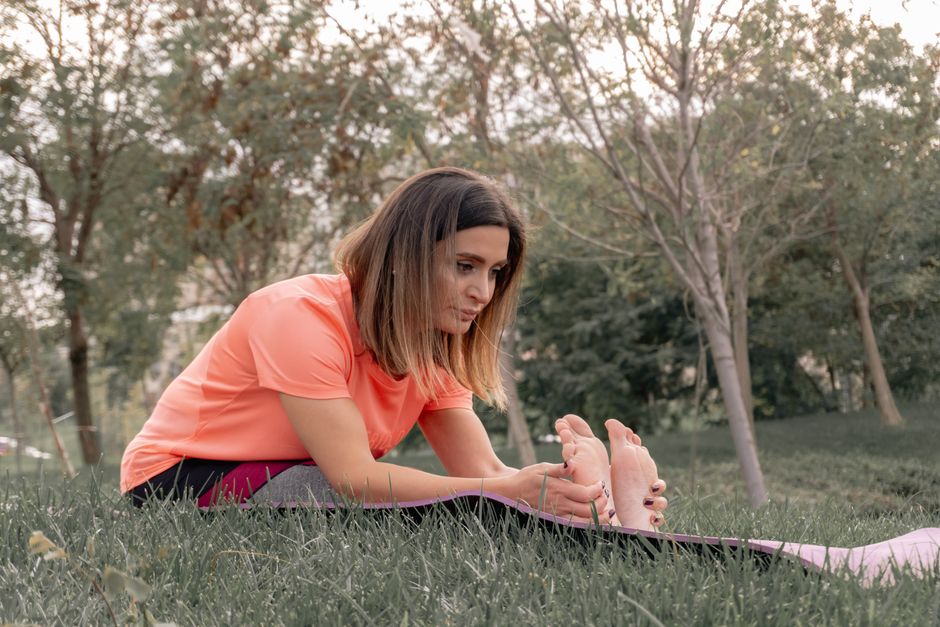
The research does not support an all-or-nothing approach. The same Nature Human Behaviour study found that participants who introduced a 45-minute screen-free buffer before bed — not a complete evening ban — improved their sleep onset time by an average of 19 minutes within two weeks. Crucially, those who replaced screens with something physically calming, rather than cognitively demanding, saw the best results. Reading print, light stretching and breath-focused exercises all featured.
Locally, a handful of programs have built this into structured offerings. Moseley-based wellbeing studio The Calm Collective runs a Thursday evening 'Digital Wind-Down' workshop at its premises on Alcester Road, combining 30 minutes of guided breathwork with a session on sleep hygiene that specifically addresses evening screen habits. Spaces cost £12 and have been fully booked since April. Across the city centre, Birmingham Mind — the local affiliate of the national mental health charity — incorporates screen-time planning into its Sleep Well course, delivered free to residents referred through GPs in the B1 to B5 postcode areas.
The bottom line from the science is messier than the wellness industry sometimes suggests. A strict 9pm phone cut-off will help some people. For others, the issue is content type and emotional arousal, not screen brightness. Anyone experiencing persistent sleep difficulties — defined clinically as trouble falling or staying asleep at least three nights a week for more than a month — should speak to a GP or contact Birmingham Sleep Clinic directly rather than self-diagnosing from an app. The research is useful. It is not, on its own, a prescription.

Wellness

Wellness

Wellness

Wellness
About this article
Published by The Daily Birmingham
Spread the word
Daily brief
Free, in your inbox before 7am. Weekdays.
The Daily Network — local news across Australia