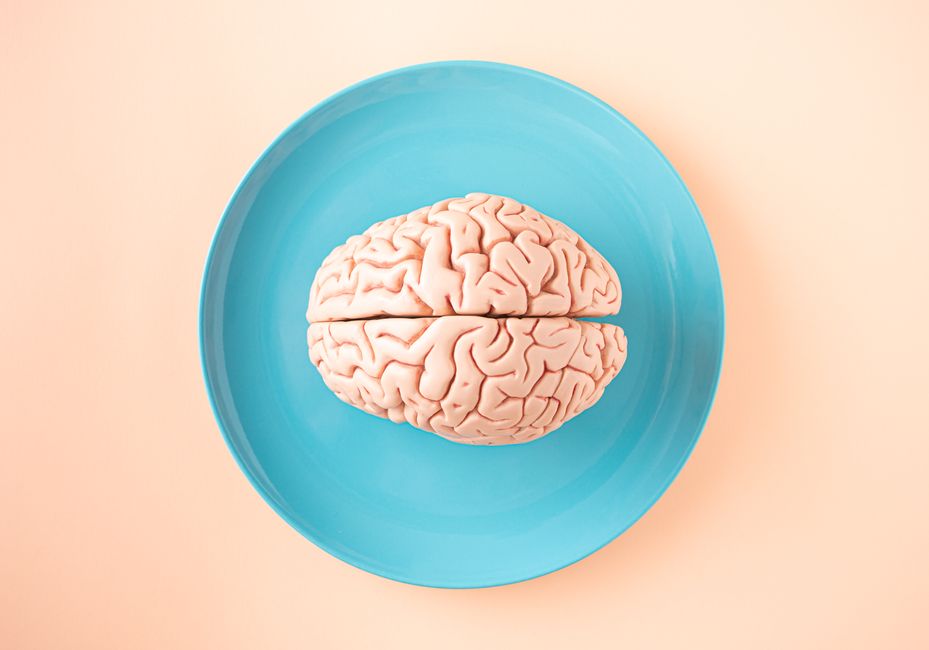
Eight weeks. That is how long it takes for a regular mindfulness practice to produce visible, structural changes in the human brain, according to research published by Harvard Medical School. Using MRI scanning, scientists found that participants who completed an eight-week Mindfulness-Based Stress Reduction programme showed measurable thickening in the prefrontal cortex — the region responsible for decision-making, attention, and emotional regulation. The amygdala, which drives the brain's fear and stress responses, shrank. These were not self-reported mood improvements. They were physical changes to tissue.
The timing matters. Stress-related illness accounts for roughly 40 percent of all GP absences in England, according to the Health and Safety Executive's 2025 annual report. Post-pandemic mental health demand pushed waiting lists for NHS talking therapies in the West Midlands to an average of 18 weeks at their peak in late 2024. Against that backdrop, anything that people can do independently — for free or close to it — to actively reshape their stress circuitry deserves serious attention, not wellness-influencer scepticism.
What the brain actually looks like under pressure — and after practice
The science is more specific than most gym-class instructors let on. Mindfulness practice consistently activates the default mode network differently in experienced meditators. In most people, the default mode network — active when the mind wanders — is linked to rumination and self-referential worry. Long-term meditators show reduced connectivity in the areas of that network associated with mind-wandering and stronger connectivity to regions involved in present-moment awareness. Translation: the brain gets better at catching itself when it drifts toward anxiety spirals, and better at returning without drama.
Cortisol levels drop, too. A 2023 meta-analysis published in Psychoneuroendocrinology reviewed 45 randomised controlled trials and found mindfulness-based interventions produced a statistically significant reduction in salivary cortisol across nearly all participant groups. That matters because chronically elevated cortisol is linked to cardiovascular disease, impaired immune function, and disrupted sleep — all conditions that cost the NHS billions annually to treat downstream.
Birmingham has a concentrated set of entry points for anyone wanting to test this for themselves. The Moseley-based Birmingham Friends of the Earth host monthly mindfulness walks through Cannon Hill Park, using attention-to-breath techniques during group walks along the river Rea. Separately, Mindfulness West Midlands, which operates out of a studio on Hurst Street in the city centre, runs eight-week MBSR courses — the same format used in most of the published research — for £195 per person, with concessionary rates at £95 for those on low incomes. The January 2026 intake sold out within six days of opening.
From grey matter to the Jewellery Quarter: where to start
The Birmingham Buddhist Centre on Moseley Road offers drop-in meditation sessions every Tuesday evening at 7pm for a suggested donation of £5. The centre has run uninterrupted since 1976 and explicitly separates the meditation instruction from any requirement to engage with Buddhist doctrine — making it accessible to people arriving purely for the neurological payoff rather than the philosophy. That pragmatic framing is increasingly common among the city's wellness providers, who recognise that many people in Birmingham's Digbeth and Jewellery Quarter neighbourhoods — younger, professionally pressured, sceptical of anything that smells like a retreat brochure — want evidence first.
Starting a practice does not require a studio. The research suggests that ten to twenty minutes of focused-attention meditation daily is sufficient to begin shifting cortisol patterns within four weeks. Apps such as Insight Timer carry free guided sessions. But neuroscientists who study the field consistently flag one variable that apps cannot replicate: the accountability and neurological priming that comes from practising alongside other people in a physical space. Group meditation produces what researchers call synchronised brainwave activity, measured through EEG, that appears to deepen the relaxation response beyond what solo practice achieves in equivalent time.
Anyone dealing with clinical depression, trauma, or a diagnosed anxiety disorder should speak with a GP or mental health professional before starting an intensive programme. Mindfulness-based cognitive therapy is available on referral through some Birmingham and Solihull Mental Health NHS Foundation Trust services — worth asking about specifically at your next appointment.