wellness
From Cannon Hill to Sutton Park: Birmingham's Dog-Friendly Parks Are Quietly Becoming the City's Best Fitness Clubs
Across Birmingham's green spaces, dog owners are ditching the gym and finding community, cardio and canine companionship all in one place.
How we reported this
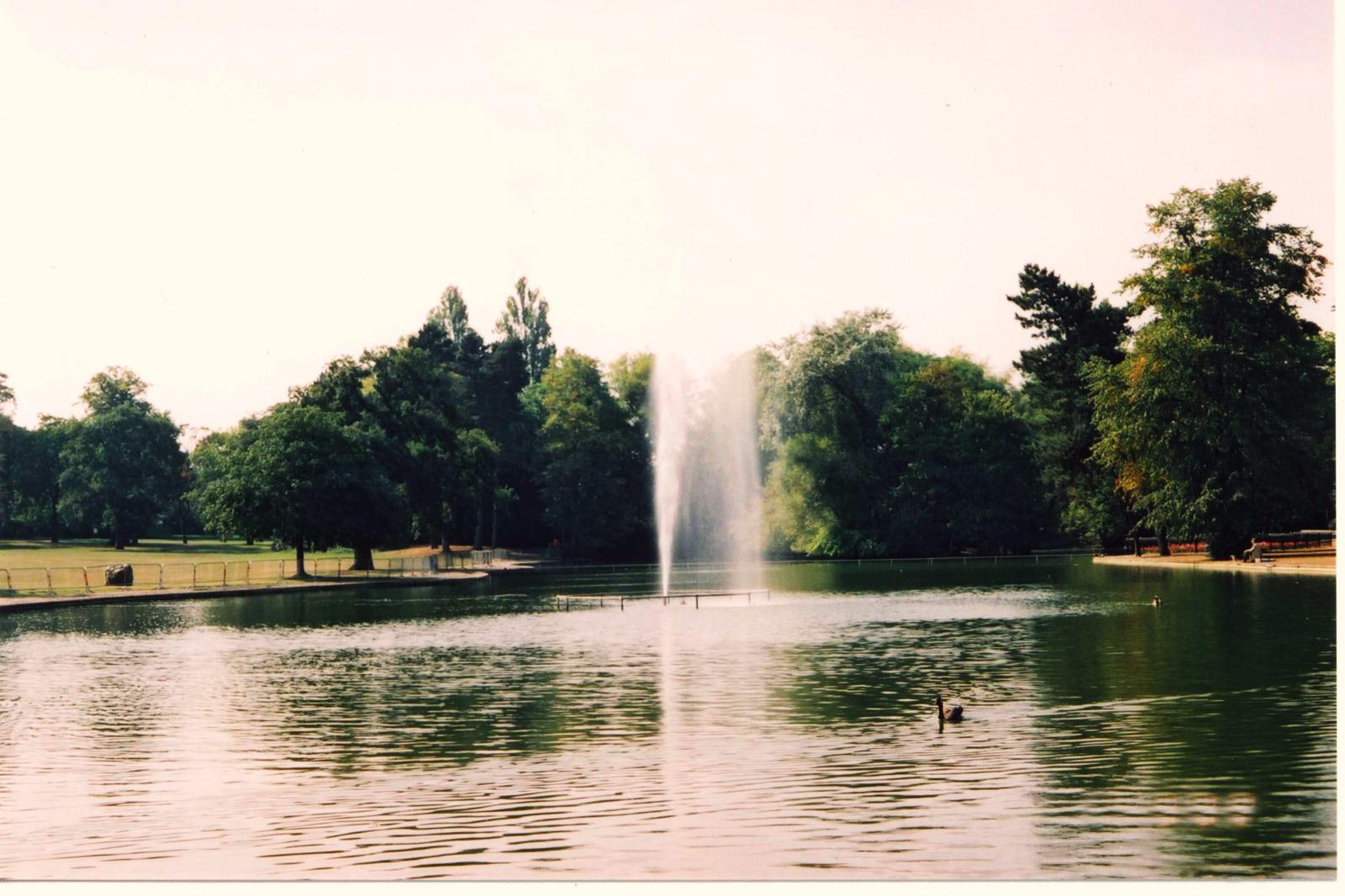
Birmingham's parks are pulling double duty. What were once simple green corridors for weekend strolls have become organised fitness destinations, and dogs are the social glue holding it all together. Weekend mornings at Cannon Hill Park in Moseley now look closer to an outdoor gym session than a quiet dog walk, with informal running groups, bodyweight circuits and "walklet" meetups drawing dozens of regulars who found each other through their four-legged companions.
This matters now because the economic pressure on leisure spending is real. A standard gym membership in Birmingham averages between £25 and £45 a month in 2026, and many residents are quietly cancelling direct debits and replacing structured indoor exercise with free-to-access outdoor routines. Dogs, it turns out, are better than any fitness app at forcing consistency. A 2023 study published in Scientific Reports found that dog owners walk an average of 22 minutes more per day than non-owners, enough to meet the NHS recommended 150 minutes of moderate weekly activity across just five sessions.
The Parks Doing the Heavy Lifting
Cannon Hill Park, which spans 250 acres along the River Rea between Moseley and Edgbaston, remains Birmingham's most active green space. The park's perimeter path, roughly 2.4 kilometres, has become an unofficial parkrun warm-up trail on Saturday mornings, with dog owners forming a loose convoy that starts near the MAC arts centre car park and loops back via the boating lake. No app required. No registration. Just show up.
Further north, Sutton Park in Sutton Coldfield is the outlier in terms of scale, at 2,400 acres it is one of the largest urban parks in Europe, and its off-lead zones near Longmoor Pool have developed their own ecosystem of regular dog walkers who have graduated into organised Nordic walking groups. Birmingham City Council's Parks and Nature team lists Sutton Park as one of seven sites currently enrolled in its Active Parks programme, which since January 2026 has been facilitating free outdoor fitness sessions in partnership with local personal trainers and the charity Birmingham Forward Steps.
Smaller neighbourhoods are seeing the same pattern. Handsworth Park, in the north of the city, hosts a weekly dog-friendly yoga and stretch session on Sunday mornings near the bandstand, organised not by a council body but by a WhatsApp group that now has more than 140 members. Cocks Moors Woods in Kings Heath offers a marked trail system and has been used by the Birmingham Dog Walking Club, which lists over 800 members on its Meetup.com page, for monthly group hikes since 2024.
What the Numbers Actually Show
A YouGov survey from April 2026 found that 38 percent of UK dog owners said their pet was their primary motivation for exercising outdoors, outranking running apps, fitness trackers and personal trainers combined. In the West Midlands specifically, Active Lives data collected by Sport England for the 2024-25 period showed that walking, including dog walking, remained the most common physical activity among adults, with 61 percent of respondents recording at least one walking session per week.
Birmingham City Council spent £4.2 million on parks maintenance and improvement in its 2025-26 budget, and a further £600,000 was earmarked specifically for accessible path surfacing, a practical upgrade that makes all-weather dog walking far more viable in winter months when grass areas become waterlogged.
The practical advice is straightforward. If you want to find Birmingham's outdoor fitness community, skip the Facebook events and head to Cannon Hill Park before 9am on a Saturday. The regulars gather near the Edgbaston Road entrance. Sutton Park's Longmoor Pool car park is the meeting point for the Nordic walking group, which runs every Wednesday at 10am, free, all abilities, dogs on leads until the open heath section. Handsworth Park's Sunday stretch session starts at 9.30am by the bandstand from April through September. None of these require a membership, a wristband or a download. Just a lead and some decent shoes. A local GP or physiotherapist can advise on appropriate intensity if you're returning to exercise after a period of inactivity.