wellness
Birmingham Residents Transform Daily Walks Into Mindfulness Practice
Forget the meditation app and the yoga mat, Birmingham's parks and canal paths are already doing half the work.
How we reported this
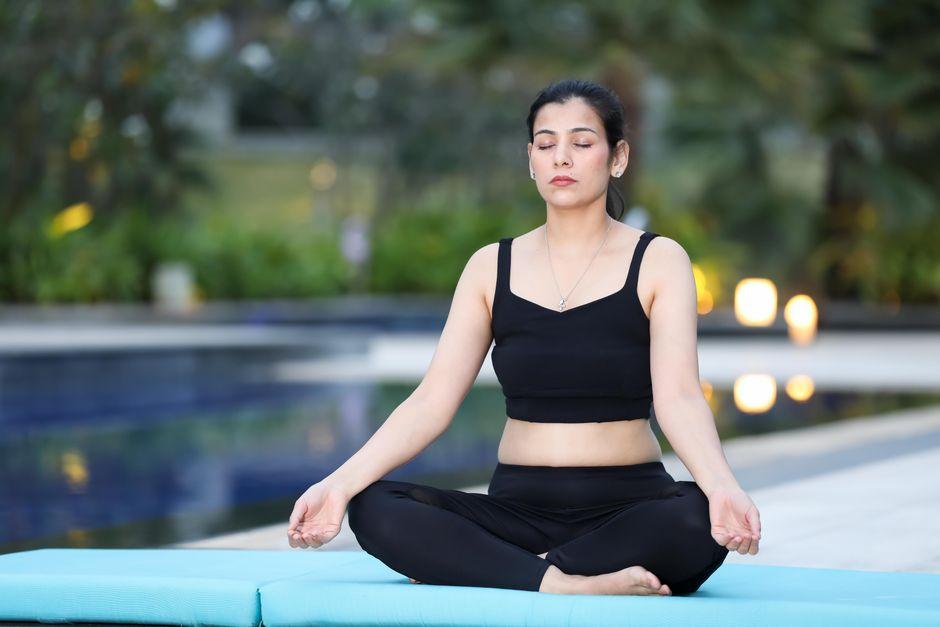
Mindfulness doesn't require a cushion, a studio or a £15 drop-in fee. Tens of thousands of Birmingham residents walk through the city's green corridors every week without realising they're already halfway to one of the most evidence-backed stress-reduction practices available. Walking meditation, the deliberate use of each step, breath and sensory detail to anchor attention in the present moment, is gaining serious traction among wellness practitioners, and the city's network of parks, towpaths and tree-lined streets makes it unusually well suited to the practice.
The timing matters. Urban life in Birmingham, like most major British cities, has grown louder and more pressured over the past three years. Commuting costs climbed again in January 2026, following the West Midlands Rail franchise's 4.9 percent fare increase, and financial anxiety is feeding a measurable spike in reported low-level stress and poor sleep among working-age adults. Clinicians at Birmingham Mind, the mental health charity operating across the city since 1962, have noted that demand for their community wellbeing sessions has outpaced capacity for the second consecutive year. Against that backdrop, a free, immediately accessible practice has clear appeal.
Where to Actually Do It in Birmingham
Cannon Hill Park in Edgbaston is the obvious starting point. Its 250 acres include a long, relatively flat perimeter path beside the River Rea that runs for just over two kilometres, long enough for a proper 20-minute walking meditation session without doubling back more than once. The path is wide, maintained and quiet enough on weekday mornings that you can genuinely pay attention to your feet meeting the ground rather than swerving around cyclists. Moseley Bog, a few minutes south by car, offers something denser and stranger: ancient alder woodland, uneven ground, and birdsong that does a remarkable job of pulling the mind away from its own chatter. The unevenness is actually useful, it forces a slower, more deliberate pace.
Birmingham Friends of the Earth and local group Birmingham Urban Walks have both mapped routes along the Grand Union Canal towpath from Gas Street Basin out to Edgbaston Reservoir. The towpath's flat, linear nature is well suited to the technique because there are few decisions to make about direction, freeing mental bandwidth for the actual practice. Birmingham Buddhist Centre on Moseley Road, Balsall Heath, runs structured walking meditation sessions as part of its Introduction to Meditation course, which costs £60 for six weeks and runs in regular cohorts throughout the year.
The Mechanics of the Practice
The technique itself is simple. Choose a pace about 30 percent slower than your normal walking speed. Direct attention to the physical sensation of each foot lifting, moving forward and making contact with the ground. When the mind wanders, and it will, within seconds, return attention to the feet. That's it. Most teachers recommend starting with ten minutes and building to twenty or thirty over several weeks.
The evidence is solid. A 2019 study published in the journal Complementary Therapies in Clinical Practice found that participants who practised walking meditation for 30 minutes, three times weekly over four weeks recorded significantly lower anxiety scores than a control group who walked at the same pace without the attentional component. A separate 2023 systematic review in Frontiers in Psychology covering 14 trials confirmed reductions in perceived stress and improvements in sleep quality among regular walking meditation practitioners, with benefits appearing after as few as eight sessions.
Breath is the secondary anchor. If focusing on the feet produces frustration, shift attention to the rhythm of inhale and exhale and allow the walking pace to sync with it, typically two steps per inhale, two or three per exhale at a slow pace. Some practitioners find it useful to silently note sensations: the temperature of the air, the texture underfoot, peripheral sounds. The goal is not a blank mind but a mind that keeps choosing to return.
Anyone curious about trying it can start this weekend, no equipment required beyond a decent pair of shoes. For those wanting more structure, Birmingham Buddhist Centre's next intake runs in September 2026. For specific health concerns, including anxiety disorders or persistent sleep problems, a GP referral to a local talking therapies service remains the appropriate first step before treating any practice as a substitute for clinical care.