wellness
Birmingham's Local Fermented Foods Boost Gut Health, Experts Confirm
From Digbeth's independent delis to Moseley's weekend markets, Birmingham's fermented food scene has quietly grown into one of the Midlands' most accessible gut-health resources.
How we reported this
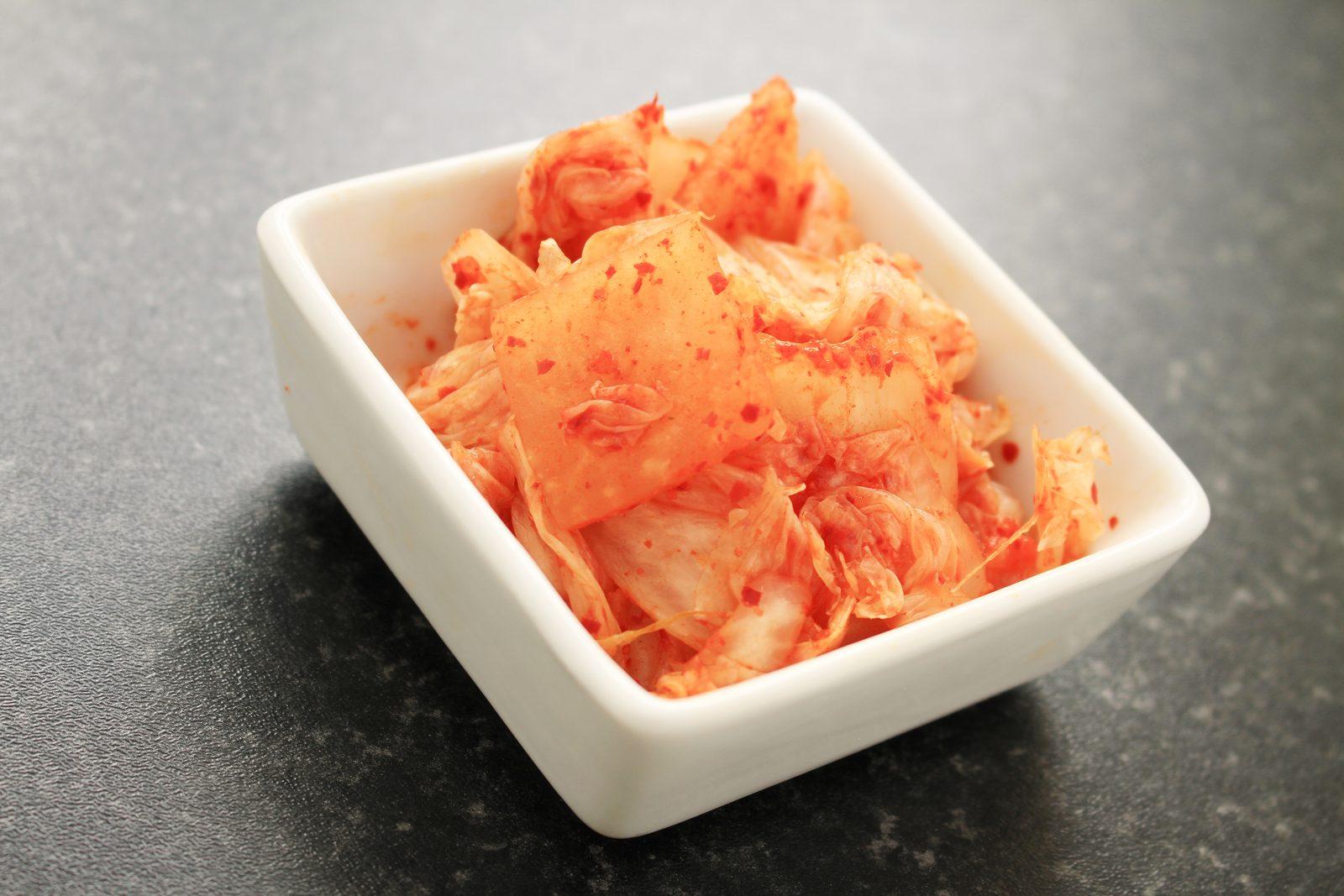
Fermented foods are having a moment in Birmingham, and not just on restaurant menus. Walk through the Bullring Indoor Market on a Saturday morning and you'll find Korean kimchi sitting alongside locally made sauerkraut and kefir-based drinks, stocked by traders who say demand has doubled since 2024. The city's appetite for probiotic-rich food has moved well beyond health food shops and into mainstream weekly shopping.
The timing matters. Gut health research has accelerated significantly over the past five years, with scientists increasingly exploring the connection between the gut microbiome and broader health outcomes including mood, immunity, and inflammation. That growing body of evidence, covered extensively this year in everything from academic journals to consumer health media, has nudged a generation of Birmingham residents toward fermentation as a practical, affordable dietary tool rather than a fringe wellness trend.
Where to Find It in Birmingham
Digbeth is the clearest starting point. The neighbourhood's concentration of independent food businesses includes Digbeth Dining Club's Saturday market, which regularly features vendors selling traditionally fermented items such as kombucha, miso paste, and water kefir. Across the city centre, Naturally Good Foods on Cannon Street stocks a rotating selection of live-culture yoghurts, apple cider vinegar with the mother, and unpasteurised pickles sourced from UK producers. Staff there have a working knowledge of the products and can point customers toward items suited to beginners.
Moseley is the other hub. The Moseley Farmers' Market, which runs on the last Saturday of each month in the village centre, has at least three regular traders dealing in fermented goods. One sells handmade sourdough, a slow-fermented bread that contains beneficial bacteria, and another offers raw, unpasteurised sauerkraut in 350g and 700g jars. For anyone looking at Asian ferments specifically, Birmingham's Chinatown on Ladypool Road and the surrounding Sparkbrook area stock gochujang, doenjang, and several varieties of miso that are harder to find in mainstream supermarkets.
Bham Food Council, a local food advocacy group operating across the city, has run educational workshops on fermentation as part of its broader food literacy programme since 2023. Sessions have taken place in community kitchens including the Acorns Community Hub in Northfield, where participants learn to prepare basic ferments at home. Entry to those workshops has been priced at around £12 per person, making them accessible to a wide range of residents.
What the Evidence Actually Says
Fermented foods contain live microorganisms, bacteria and yeasts, that can contribute to gut microbiome diversity when consumed regularly. Research published in Cell in 2021 found that a diet high in fermented foods increased microbiome diversity and decreased markers of inflammation in study participants over a ten-week period. That study involved 36 adults and remains one of the more cited pieces of clinical evidence in this space, though nutritionists consistently note that single studies should not be read as definitive proof of broad health benefits.
Prices for quality fermented foods in Birmingham vary. A 500ml bottle of raw, unpasteurised kombucha from local producers typically runs between £3.50 and £5. A 700g jar of live sauerkraut sits at roughly £5 to £7. Kefir, the fermented milk drink, is increasingly available in larger supermarkets including the Tesco Extra on Hagley Road at prices starting around £2.50 for a 500ml carton, though these mass-market versions are often pasteurised, which kills the live cultures. The key distinction, nutritionists advise, is to look for products labelled as raw, unpasteurised, or containing live and active cultures.
For anyone starting out, registered dietitians at University Hospitals Birmingham NHS Foundation Trust recommend introducing fermented foods gradually, one or two portions per week to begin, as sudden dietary changes can cause temporary digestive discomfort. The Moseley Farmers' Market runs its next session on 26 July. Digbeth Dining Club's weekend market opens from noon each Saturday. Both are free to browse, and neither requires anything more than a Saturday morning and a willingness to try something unfamiliar. That's a reasonable entry point for most people.