wellness
Birmingham's Night Shift Workers Deploy Sleep Strategies to Beat Irregular Hours
From Heartlands Hospital to the Jewellery Quarter's late-night venues, thousands of Birmingham workers are fighting their own bodies every time they clock off, and sleep specialists say the fix starts well before bedtime.
How we reported this
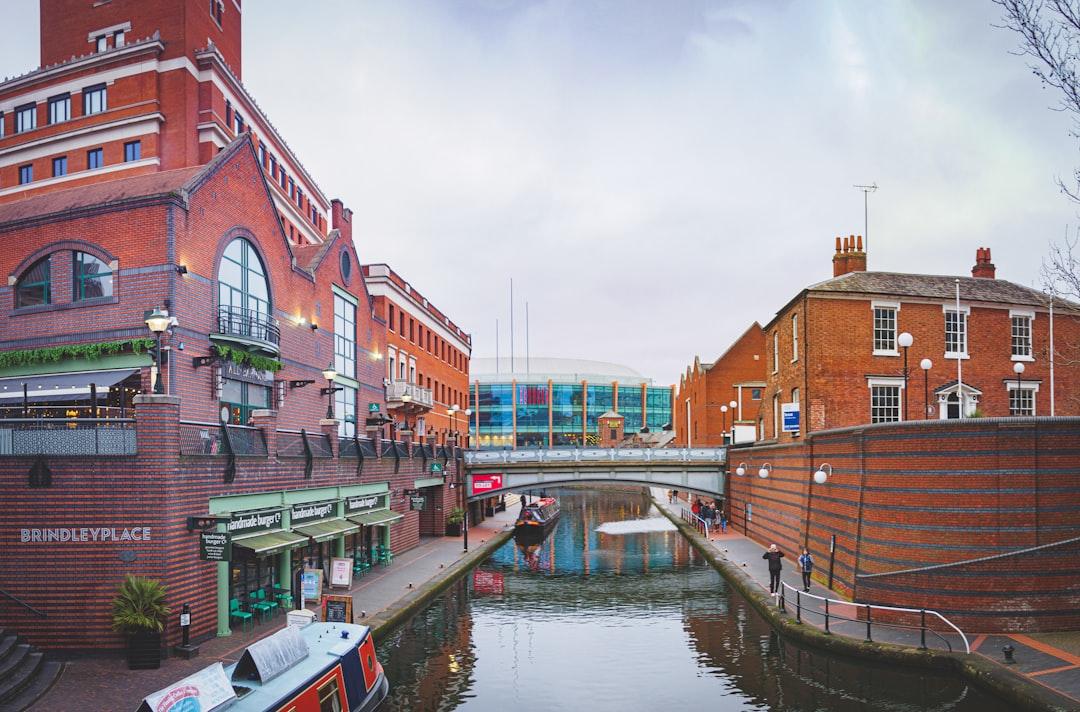
Birmingham runs on shift workers. The city's Queen Elizabeth Hospital alone employs more than 8,000 staff, a significant proportion working rotations that stretch across nights, weekends and the early hours of the morning. Add in the distribution warehouses along the A45 Coventry Road corridor, the care homes across Erdington and Selly Oak, and the hospitality workers keeping Broad Street going until 3am, and you have tens of thousands of residents whose sleep schedules bear no resemblance to the standard eight-hour night their bodies were built for.
The issue has sharpened in 2026. With the West Midlands Combined Authority's Good Work Charter, which counts NHS trusts and several large hospitality groups among its signatories, placing growing emphasis on worker wellbeing, employers across the city are under renewed pressure to address what sleep researchers call circadian disruption: the physiological knock-on effects of working against the body's natural light-dark cycle. Poor sleep is not simply a personal inconvenience. Research published in the journal Sleep Medicine Reviews has linked chronic circadian disruption to elevated risks of cardiovascular disease, metabolic disorders and impaired immune function, making it a public health concern as much as a workplace one.
What the Science Actually Says
The core problem for shift workers is not always a shortage of hours in bed, it is the timing. The human circadian system is anchored to daylight, and even a few weeks of night shifts can shift core body temperature rhythms and suppress melatonin production at the wrong points in the 24-hour cycle. A 2023 report from the UK Health Security Agency estimated that roughly 3.5 million people in England work some form of irregular or night-shift pattern, with healthcare, logistics and hospitality among the largest sectors affected, all industries with a substantial footprint in Birmingham.
Blackout curtains are the entry point, not the endpoint. Sleep clinicians recommend that night-shift workers invest in heavy-duty blackout lining for bedroom windows, widely available at Dunelm on Queensway in the city centre for under £30 a set, and treat the first four hours after a night shift as a protected wind-down period, avoiding screens and bright overhead lighting wherever possible. Light exposure on the commute home is one of the most commonly overlooked saboteurs: wearing blue-light-blocking glasses on the journey back from a night shift has measurable effects on melatonin suppression, according to research from the University of Surrey's Sleep Research Centre.
Caffeine timing matters more than total caffeine intake. Consuming coffee or energy drinks within six hours of an intended sleep window significantly lengthens sleep latency, the time it takes to actually fall asleep. For workers finishing a night shift at 7am and hoping to sleep by 9am, that means the last coffee should come no later than 3am, not on the drive home.
Local Resources Worth Knowing About
Birmingham has practical options for shift workers looking for structured support. The Mindfulness-Based Stress Reduction programme run by Birmingham Community Healthcare NHS Foundation Trust includes sleep-focused modules and accepts self-referrals from Birmingham residents. Sessions are currently available at Moseley Road Health Centre in Balsall Heath, with a six-week course starting in September 2026.
For workers in the logistics and manufacturing sectors around Tyseley and Small Heath, the charity Working Well Trust operates employer partnerships that include one-to-one health coaching, covering sleep hygiene as a core component. Their Birmingham office is based on Stratford Road.
Exercise timing is another lever. A morning workout immediately after a night shift tends to delay sleep onset further by elevating core body temperature and cortisol. Scheduling even 20 minutes of low-intensity movement, a walk through Cannon Hill Park in Edgbaston, for example, in the early evening before a night shift produces better results for sleep quality than post-shift training.
The practical baseline is straightforward: consistency beats perfection. Shift workers who anchor a fixed sleep window on days off, rather than attempting to switch abruptly to a daytime schedule, report fewer symptoms of chronic fatigue over time. Anyone experiencing persistent sleep disruption that affects daily functioning should speak to their GP or contact NHS 111 for a referral to Birmingham's community sleep pathway before self-treating with supplements or sleep aids.