Property
Birmingham Property Prices Climb 3.1% Over Past Year, Outpacing National Average
Steady demand and regeneration schemes help city homes hold value as UK-wide figures stall.
3 min read
Updated 1 h ago
Property
Steady demand and regeneration schemes help city homes hold value as UK-wide figures stall.
3 min read
Updated 1 h ago
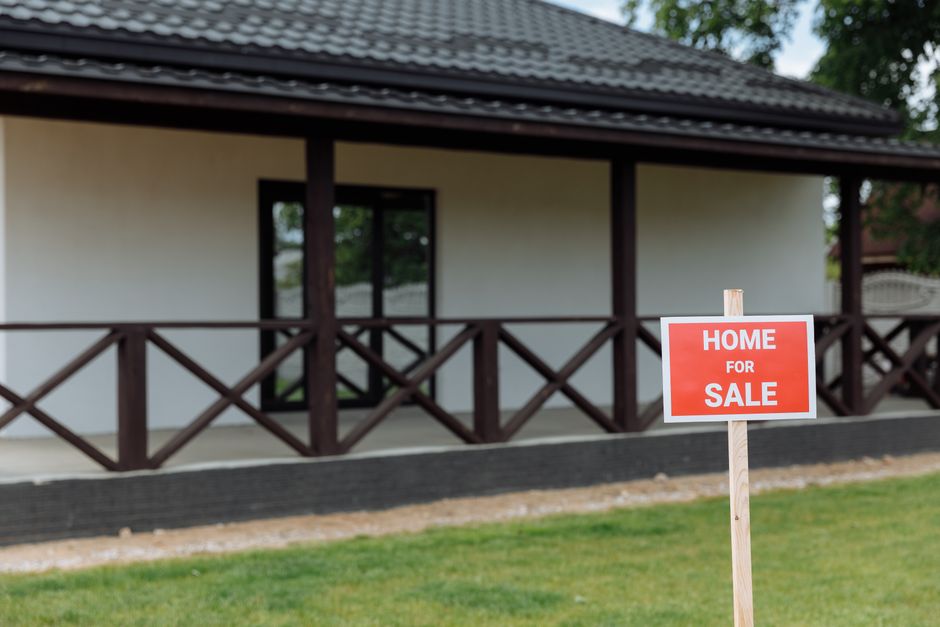
House prices in Birmingham rose by 3.1% in the second quarter of 2026 compared to the same period last year, according to fresh data seen by The Daily Birmingham. That growth rate is nearly double the UK national average of 1.7% for the same stretch, making the city one of the country’s better-performing large urban markets.
The latest jump comes at a moment of uncertainty for homeowners, with interest rates still holding at 4%, and warnings about affordability in overheated areas. But Birmingham’s solid performance this spring signals that the city remains more resilient than other regional contenders, even as some London postcodes show year-on-year declines.
Specific city districts have pulled ahead. In the Jewellery Quarter, average flat values edged past £292,000 in June, up from £284,000 last year, helped by new builds around St Paul’s Square and demand for rental conversions. Meanwhile, family homes in King’s Heath pushed above £360,000 on average — a 4.2% annual rise — as buyers hunt for more space beyond the city centre ring road.
The steady pipeline of regeneration is fuelling confidence. The £700 million Smithfield redevelopment broke ground near Digbeth in March, promising thousands of new homes, shops and leisure venues. Council planners say new green spaces and the planned tram extension towards Moseley are drawing relocating professionals and families.
Land Registry figures released 1 July put the average Birmingham sale price at £267,820 in Q2 2026. That’s up from £259,710 a year ago, despite broader volatility in the Midlands. Agents at Cottons and Hunters both report June transaction volumes improved 8% year-on-year in Edgbaston and Selly Oak, as hybrid working patterns stabilise.
Nationally, property group Halifax says sluggish wage growth and persistent mortgage costs have slowed the post-pandemic boom, with many commuter belt towns now seeing near-zero movement. Birmingham’s continued rental pressure—city centre rents rose 5.5% since last summer, helped by new university intakes and corporate relocations—remains a key support for the sales market.
First-time buyers do face challenges: average deposits in Harborne and Stirchley now top £34,000, up more than 7% from 2025. Local developer Court Collaboration, which recently launched The Square on Broad Street, has seen almost half its buyers take advantage of the city’s affordable home ownership schemes this quarter.
Birmingham’s modest but consistent gains set it apart from much of the country. Looking ahead, estate agents expect price growth to taper as higher interest rates and energy costs start to bite. For buyers, especially first-timers, advice is to lock in mortgage rates before autumn—most major lenders, including West Bromwich Building Society, warn rates may edge up again after September.
Sellers in neighbourhoods like Moseley and Erdington are advised to remain realistic on asking prices, as the balance between supply and demand is gently shifting. However, as long as new regeneration projects and strong rental appetite persist, Birmingham’s market should remain a relative bright spot through the remainder of the year.
Property
Property
Property
Property
About this article
Published by The Daily Birmingham
Spread the word
Daily brief
Free, in your inbox before 7am. Weekdays.