Property
Birmingham Sees 8% Quarterly Price Growth, Outpacing Last Year's Rates
New data reveals a significant surge in property prices across the city, with some areas experiencing even higher growth
3 min read
Updated 1 h ago
Property
New data reveals a significant surge in property prices across the city, with some areas experiencing even higher growth
3 min read
Updated 1 h ago
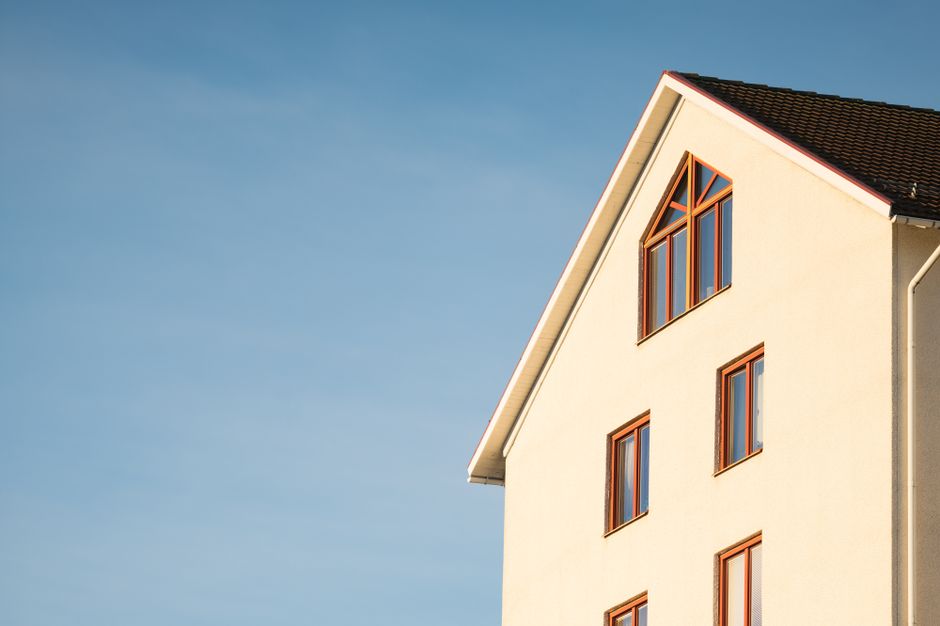
Birmingham's property market has seen an 8% increase in quarterly price growth, surpassing the same time last year. This key fact has significant implications for buyers, sellers, and investors in the city.
The current market trends matter now because they indicate a shift in the city's real estate landscape. With the UK's economy experiencing fluctuations, Birmingham's dynamic market has proven resilient, attracting buyers from across the country. The city's regeneration efforts, including the Big City Plan and the Birmingham Development Plan, have contributed to its appeal, making it an attractive destination for businesses and residents alike.
In areas like Digbeth and Edgbaston, property prices have risen significantly, with the average price of a semi-detached house in Digbeth increasing by 12% in the past quarter. The Bullring shopping centre and the upcoming Birmingham 2026 Commonwealth Games have also boosted the local economy, with organisations like the Birmingham Chamber of Commerce and the West Midlands Combined Authority working to promote the city's growth. Additionally, the redevelopment of the Smithfield area and the construction of new homes in neighbourhoods like Harborne and Selly Oak have contributed to the city's thriving property market.
According to data from the Birmingham Property Association, the average house price in Birmingham now stands at £243,000, up from £225,000 in the same quarter last year. This represents a 7.5% year-on-year increase, with some postcodes, such as B15 and B16, experiencing even higher growth rates of 10% and 11% respectively. The data also shows that the majority of sales are taking place in the £200,000-£300,000 price bracket, with 55% of all sales falling within this range.
The growth in Birmingham's property market can be attributed to a combination of factors, including the city's strong economy, excellent transportation links, and the availability of affordable housing. The extension of the Midland Metro line and the redevelopment of New Street Station have improved connectivity, making the city more attractive to commuters and businesses. Furthermore, initiatives like the Birmingham Housing Strategy and the West Midlands Housing Deal have aimed to increase the supply of affordable housing, helping to drive growth in the market.
As the market continues to evolve, buyers and sellers should be aware of the potential for further price increases. With the city's population projected to grow by 15% by 2030, demand for housing is likely to remain high. As such, it's essential for those looking to buy or sell to stay informed about market trends and to seek advice from local experts. The Birmingham Property Association and other organisations can provide valuable insights and guidance, helping individuals navigate the city's dynamic property market.
Property
Property
Property
Property
About this article
Published by The Daily Birmingham
Spread the word
Daily brief
Free, in your inbox before 7am. Weekdays.