Investor activity in Birmingham's residential property market has surged in the first half of 2026, with buy-to-let and portfolio purchasers now accounting for roughly one in three completed transactions in inner-city postcodes — up from fewer than one in five during the same period last year. The shift is reshaping competition for a limited stock of homes and, for many first-time buyers, the arithmetic is getting worse by the week.
The timing matters. The Bank of England cut its base rate to 4.0 percent in May, its third reduction since autumn 2024, and a pipeline of institutional build-to-rent schemes has simultaneously stalled across the city centre, leaving a gap in rental supply that smaller investors are racing to fill. Add a stamp duty surcharge on second homes that was raised to five percent in last autumn's Budget — painful, but evidently not prohibitive — and you have the conditions for a sharper-than-expected investor comeback.
Digbeth and Jewellery Quarter lead the charge
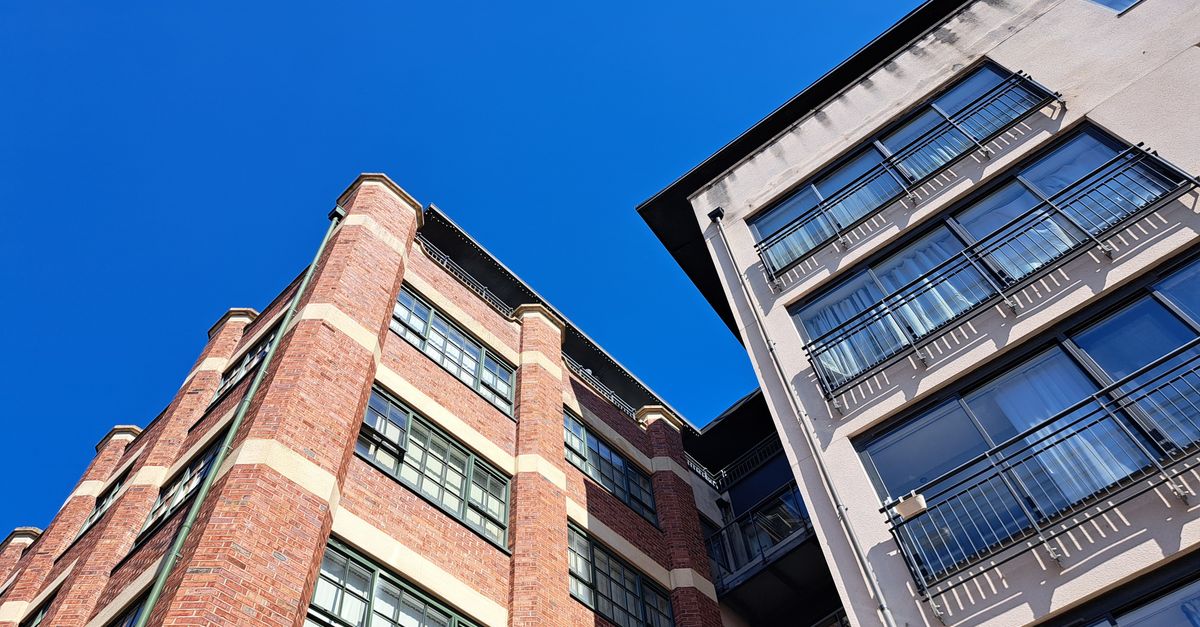
Two neighbourhoods are drawing the heaviest investor attention right now. In Digbeth, where the HS2 Curzon Street terminus construction is visible from the Custard Factory courtyard, two-bedroom apartments that were trading at around £210,000 in early 2025 are now regularly achieving £235,000 to £245,000 at sealed-bid closing dates. Several blocks on Floodgate Street changed hands in May and June at figures agents describe as above-guide, with at least half the buyers identified as non-owner-occupiers.
The Jewellery Quarter tells a similar story. Properties on Vyse Street and around St Paul's Square — historically popular with young professionals buying their first home — are seeing renewed competition from investors targeting gross rental yields that local agents peg at between 6.2 and 6.8 percent, figures that look attractive against the current savings rate environment. Rightmove data for the B1 and B18 postcodes shows average asking prices up 7.4 percent year-on-year as of June 2026, outpacing the wider West Midlands average of 4.1 percent recorded by the Land Registry for the 12 months to April.
West Midlands Combined Authority figures show Birmingham added just 3,200 net new residential units in the 2025-26 financial year against a target of 5,500, a shortfall that gives investors confidence that rental demand will remain robust regardless of any cooling in capital values. The council's own housing pipeline, including the regeneration work around Perry Barr following the Commonwealth Games legacy review, remains years from delivering meaningful volume.
First-time buyers feeling the squeeze
For owner-occupiers trying to get onto the ladder, the returning investor wave creates a structural disadvantage that goes beyond price alone. Investors frequently complete with cash or near-cash bridging finance, cutting weeks off transaction timelines, and they can absorb survey renegotiations without the emotional pressure that derails chains. Agents working Moseley, Stirchley and Harborne — areas that attracted significant first-time buyer interest through 2023 and 2024 — report that offers from first-time buyers using the government's Mortgage Guarantee Scheme are being passed over in favour of chain-free investor bids even when the headline price is slightly lower.
The West Midlands Housing Action Partnership, a coalition of housing charities and mortgage brokers that lobbies the Combined Authority, published a briefing in June calling for a local buyer-priority register on certain publicly developed sites, modelled loosely on schemes piloted in Manchester and Edinburgh. The Combined Authority has not formally responded.
Practical advice from mortgage brokers and conveyancers active in Birmingham right now centres on preparation speed. Buyers with an agreement in principle from a lender, a solicitor already instructed and a survey firm on standby are completing in 60 to 65 days — competitive enough to beat some investor chains. Those still assembling their team when they make an offer are losing ground fast. The summer auction calendar, with Bond Wolfe's next Birmingham sale pencilled for mid-September, will serve as a useful barometer of how far investor appetite extends down the price range before the autumn selling season begins in earnest.