Property
Birmingham’s Property Split: House vs Unit Price Divergence Reshapes Buying Decisions
Detached houses continue to outpace units in Birmingham, widening the gap for buyers and sellers this summer.
3 min read
Updated 1 h ago
Property
Detached houses continue to outpace units in Birmingham, widening the gap for buyers and sellers this summer.
3 min read
Updated 1 h ago
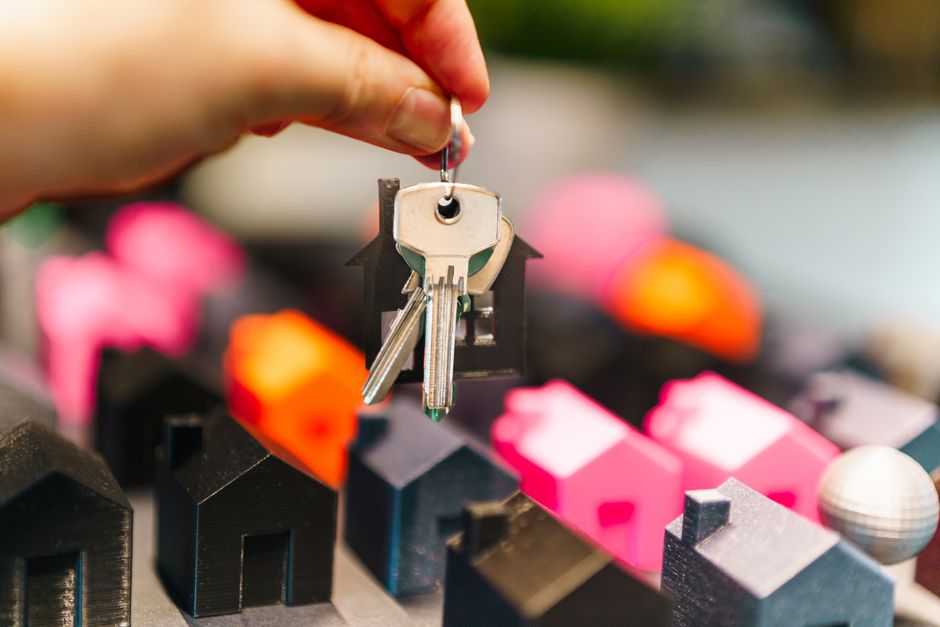
Detached house prices in Birmingham have surged ahead of units for the fifth quarter in a row, intensifying the city’s property divide and raising new questions about where value – and risk – now lies for homebuyers.
This divergence couldn’t come at a more critical moment for the city. With mortgage rates hovering at 5.6% according to Lloyds Bank this week – their highest since late 2023 – the practicality of stretching for a house rather than a flat is under the spotlight for first-time buyers and investors alike. Supply bottlenecks and pandemic-era preferences still play a role, but the volatility is being felt most sharply at the sharp end of the market – in places like Harborne and Digbeth, where Victorian terraces and new-build apartments sit just streets apart.
Across Edgbaston and Bearwood, agents report brisk competition for three-bedroom semis, with Stockdale & Leggo Birmingham confirming multiple offers on houses along Augustus Road last month. By contrast, units on streets like Holloway Head or the canalside developments in Westside are lingering longer on the market, despite incentives and price cuts. The local council’s Shared Ownership Birmingham scheme has seen a 20% rise in applications year-on-year, but most are still for houses, not units.
Latest figures from Hometrack show the average Birmingham house price in June hit £329,000 – up 5.1% on the year. By comparison, average unit (flat/apartment) prices rose only 1.7%, reaching £204,000. That’s the widest annual gap since data were first tracked in 2012. In Digbeth, two-bed flats in Abacus Court have been sitting at around £210,000 since April. Yet nearby Victorian houses on Cheapside are commanding as much as £380,000 after bidding contests. Birmingham City Council’s latest planning report said unit completions were actually up 7% in 2025, but buyers remain leery of city-centre leaseholds, especially as service charges and ground rents keep rising.
Analysts point to changing family needs post-pandemic, with outside space and room for home offices still a draw. That’s driven would-be buyers out to leafy suburbs like Moseley, while city-centre units have yet to attract significant investor bounce-back from the student or short-let market. In places like the Jewellery Quarter, even price cuts aren’t bridging the demand gap. Savills estimate the current house/unit premium in Birmingham is £125,000, a record for the city.
With the divergence unlikely to close soon, buyers looking at units may gain leverage this summer – especially as more developments come on stream around Curzon Street and the expanding Centenary Square precinct. Sellers of houses, meanwhile, can expect bidding wars to remain common, especially in top-rated school catchments like Hall Green and Perry Barr. Yet estate agents caution against assuming easy money. "If mortgage rates rise further or affordability rules tighten, the air could thin quickly at the top end," notes one summary from the Birmingham Property Observatory’s recent July bulletin.
For Birmingham’s would-be movers, the equation is increasingly binary: stretch for a house if you can secure financing – or negotiate hard on city-centre units where more supply is about to hit. With thousands of residents facing rent hikes across developments on Bath Row and Masshouse Plaza, the price gap isn’t just an academic curiosity. For many households, it’s become a defining factor in their next move.
Property
Property
Property
Property
About this article
Published by The Daily Birmingham
Spread the word
Daily brief
Free, in your inbox before 7am. Weekdays.