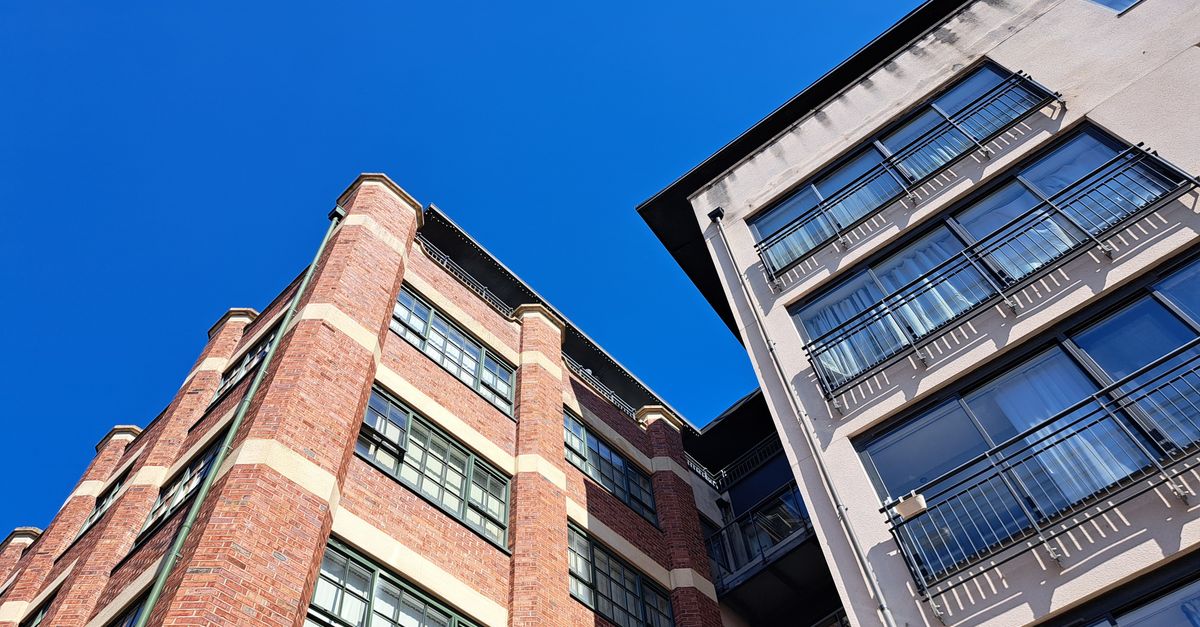
Buy-to-let investors and small portfolio landlords have re-entered Birmingham's residential market at a pace not seen since before the 2022 interest rate surge, pushing average asking prices in key inner-city postcodes above £240,000 for the first time and thinning out the supply available to first-time buyers in neighbourhoods from Digbeth to Handsworth.
The shift matters right now because mortgage rates have eased enough — the average two-year fix dropped below 4.3 percent in June 2026 for the first time in nearly three years — to make leveraged property purchases financially viable again. For the better part of 18 months, investors had largely sat out. Their return is fast and concentrated, and it is landing hardest on exactly the stock that owner-occupiers need most: two-bed terraces and purpose-built flats priced between £180,000 and £260,000.
Agents covering the B1 and B12 postcodes report that offers on ex-social housing stock in Balsall Heath and on converted warehouse units along the Digbeth corridor are routinely coming in from limited companies rather than individual buyers — a structural tell that professional landlords are active. The Digbeth Development Corridor, which sits within the wider Smithfield regeneration zone, has drawn particular attention. Birmingham City Council's Smithfield masterplan, originally approved in 2021 and now finally generating completed residential units, was designed partly to house a young working population. Instead, a growing slice of those completions is being absorbed into private rental portfolios before they reach the open sales market.
Where Prices Are Moving
Rightmove data for the B5 postcode — which covers Digbeth, Highgate and the southern edge of the city centre — showed average sold prices up 6.8 percent year-on-year in the 12 months to May 2026, against a West Midlands regional average of 3.1 percent. In Jewellery Quarter, where the conversion of Victorian factory units into apartments has accelerated since 2023, two-bedroom flats that changed hands for around £210,000 in early 2024 are now listed at £245,000 to £260,000. Several have gone to sealed bids within a fortnight of listing. The same dynamic is visible on Vyse Street and the streets immediately north of St Paul's Square, where investor interest in short-let potential has added a secondary layer of demand.
The Jewellery Quarter Business Improvement District and local estate agency chains including Bond Wolfe and Cushman & Wakefield's Birmingham office have both flagged the tightening inventory in their most recent market commentary. Bond Wolfe's spring 2026 residential report noted that the ratio of buyers to available properties in B1 hit 11:1 in March — the tightest reading since autumn 2021.
What Owner-Occupiers Should Do Now
The practical picture for someone trying to buy their first home in Birmingham city centre or the inner ring is genuinely difficult but not hopeless. Postcodes slightly further out — B20 covering Handsworth and Hamstead, and B14 covering Kings Heath — have not seen the same investor concentration yet, and average prices there remain closer to £195,000 for a two-bedroom semi. The West Midlands Combined Authority's Own Your Home scheme, which offers equity loan top-ups for first-time buyers on eligible new builds, still has allocation remaining for the 2026-27 financial year and is worth exploring before that funding window closes in March.
Buyers who can move quickly and present clean, mortgage-agreed offers continue to compete effectively even against cash-rich investors. Instructing a solicitor before finding a property — rather than after — cuts completion timelines by two to four weeks, which has proved decisive on several recent Digbeth sales. Investors tend to move fast; buyers who can match that pace remove one of the key advantages portfolio landlords currently hold.
The wider question is whether the council's planning pipeline can generate enough new supply to absorb both investor demand and genuine owner-occupier need. Three major schemes in Bordesley Green and along the A34 Aston corridor are due to break ground before the end of 2026. Whether they complete fast enough to ease pressure in the near term is, frankly, doubtful.